From Backyard Ceremonies to Instagram Spectacles: How American Weddings Became a $300 Billion Industry
When Love Came with a Reasonable Price Tag
In 1980, Sarah Mitchell walked down the aisle of her hometown Methodist church in Ohio wearing her mother's altered wedding dress. The reception took place in the church basement, decorated with flowers from her grandmother's garden and centerpieces made by her bridesmaids. The total cost? About $2,800, including her honeymoon weekend at a lake resort two hours away.
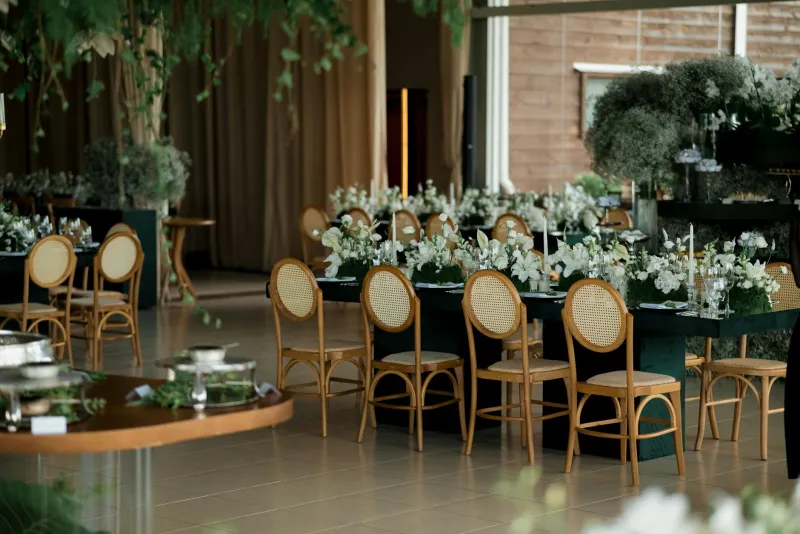
That same celebration today would easily cost $35,000 or more—and that's considered modest by current standards. The transformation of American weddings from intimate family gatherings to elaborate productions represents one of the most dramatic lifestyle changes of the past half-century, reshaping not just how we celebrate love, but how we think about money, status, and what makes a marriage "real."
The Community Affair Era
Through the 1970s and into the early 1980s, most American weddings followed a predictable pattern rooted in community and practicality. Church ceremonies were standard, followed by receptions in parish halls, VFW posts, or family backyards. The bride's family typically handled the arrangements, often with help from church ladies who knew how to stretch a dollar and feed a crowd.
Food came from local caterers or was prepared by family members—think sheet cakes from the neighborhood bakery, punch bowls, and buffet tables laden with casseroles and cold cuts. Photography meant hiring the local portrait studio for a few formal shots, with guests bringing their own cameras for candid moments. Music came from a DJ with a modest sound system or, in smaller towns, a local band that played at most community events.
The entire affair usually cost between $2,000 and $5,000, roughly equivalent to $8,000 to $20,000 in today's money. Even accounting for inflation, that's dramatically less than the current national average of over $30,000.
The Magazine Revolution
The shift began in the 1980s with the rise of bridal magazines and the wedding industry's discovery that emotions plus social pressure equals profit. Publications like Bride's Magazine and Modern Bride transformed from practical planning guides into glossy lifestyle publications filled with elaborate photo spreads that made backyard receptions look quaint rather than charming.
Suddenly, couples weren't just planning a wedding—they were curating an "experience" that needed to reflect their personalities, showcase their success, and create Instagram-worthy moments decades before Instagram existed. The language changed too. Ceremonies became "celebrations," receptions became "events," and what used to be called "getting married" became "having a wedding."
The Vendor Explosion
By the 1990s, an entire ecosystem of specialized vendors had emerged to serve this new market. Wedding planners, once reserved for the wealthy, became commonplace. Florists developed "bridal packages" with premium pricing. Photographers shifted from documenting the day to creating artistic narratives, complete with engagement sessions and elaborate albums.
The venue industry exploded beyond traditional church halls and hotel ballrooms. Couples began seeking unique locations—barns, vineyards, historic mansions, and destination resorts. Each venue came with its own requirements for approved caterers, decorators, and service staff, creating a web of interdependent businesses all focused on one day.
The Social Media Effect
If magazines planted the seeds of wedding inflation, social media fertilized them into full bloom. Pinterest boards replaced hope chests as the place where young women collected wedding inspiration. Instagram transformed every wedding into a potential viral moment, with couples feeling pressure to create "content" rather than simply celebrate.
The rise of the "wedding hashtag" perfectly captures this shift. What once was a private family celebration became a public performance, complete with professional photographers capturing every moment for social media sharing. The fear of looking cheap or unoriginal drove spending ever higher, as couples tried to differentiate their special day in an increasingly crowded visual landscape.
The Hidden Costs of "Perfection"
Today's average couple spends 12-18 months planning their wedding, compared to the 3-6 months that was typical in earlier decades. They'll visit an average of 15 vendors, compared to the handful their parents might have consulted. Many will hire wedding planners, book engagement sessions, organize bachelor and bachelorette trips that cost thousands of dollars, and stress over details that previous generations never considered.
The financial impact extends far beyond the wedding day itself. Many couples start their marriages with significant debt from their celebration, while others delay buying homes or starting families to save for their dream wedding. Some spend more on their wedding than their parents spent on their first house.
When Simple Was Enough
The older generation often watches these elaborate productions with bewilderment. They remember when the focus was on the marriage rather than the wedding, when success was measured by the happiness of the couple rather than the uniqueness of the centerpieces.
That's not to say earlier weddings lacked joy or meaning—quite the opposite. Without the pressure to create a "perfect" day, couples and families could focus on the actual celebration of two people committing to a life together. The community involvement meant the entire extended family and neighborhood felt invested in the couple's success.
The Real Cost of the Dream
The wedding industry has successfully convinced Americans that anything less than a spectacular celebration somehow diminishes the importance of the commitment being made. But the couples who married in church basements and backyard tents have divorce rates no higher than those who spent five figures on their big day.
The transformation of American weddings reflects broader changes in how we think about consumption, status, and what constitutes a meaningful life event. What started as a celebration of love has become, for many, a demonstration of economic success and social media savvy.
Perhaps it's time to ask whether we've improved the wedding experience or simply made it more expensive. After all, the marriage is supposed to last a lifetime—the reception just needs to last until the last dance.