Two Weeks, Dirt Roads, and No AC: The Brutal Reality of Driving Coast to Coast in 1950
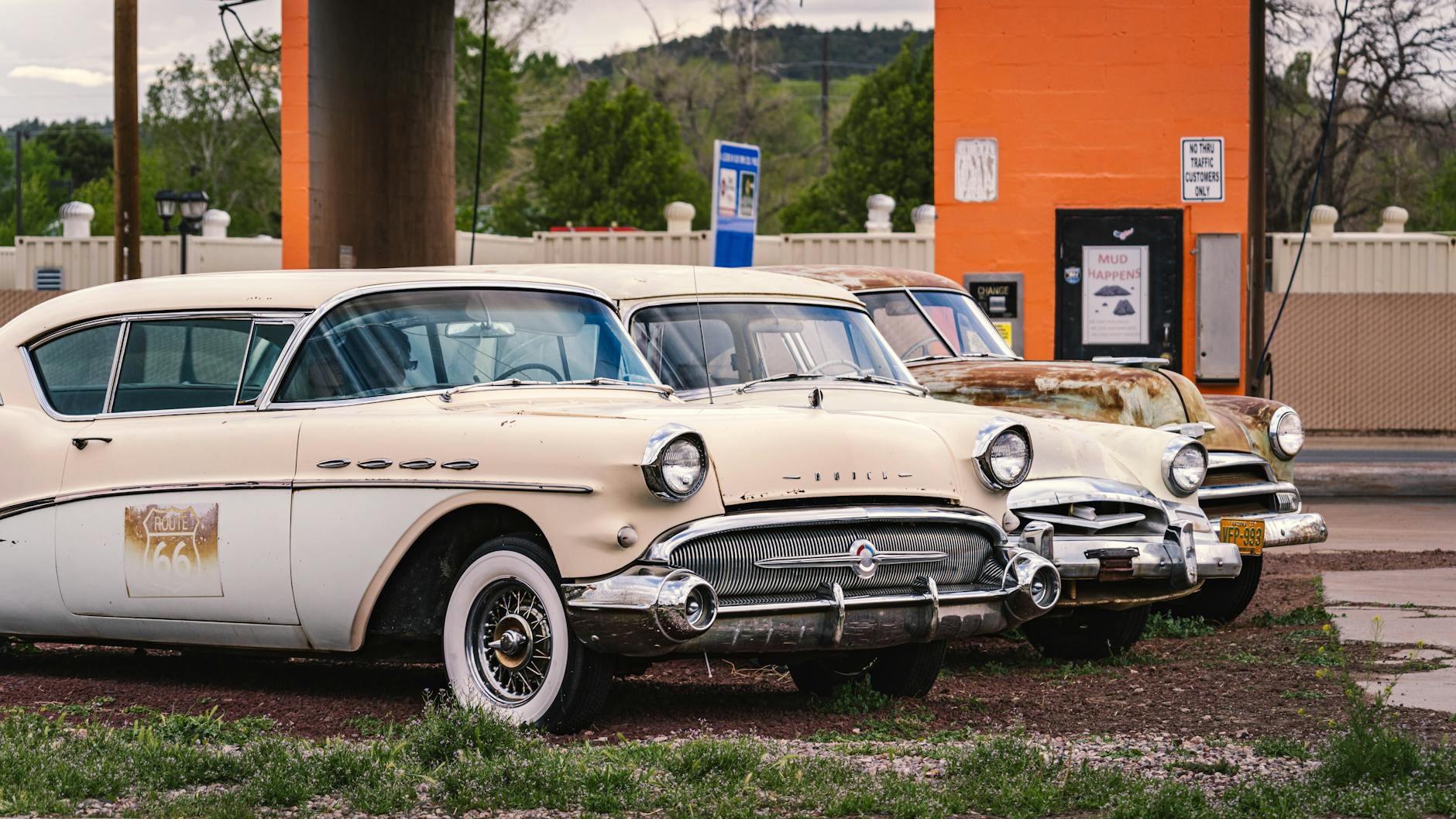
Two Weeks, Dirt Roads, and No AC: The Brutal Reality of Driving Coast to Coast in 1950
Picture this: you load up the family sedan, wave goodbye to your neighbors in Queens, and point the hood ornament west toward Los Angeles. It's the summer of 1950. You've got a paper road map folded on the passenger seat, a cooler packed with sandwiches, and absolutely no idea whether the next gas station is five miles away or fifty.
That was the reality of the great American road trip — not the romanticized, playlist-soundtracked adventure we know today, but a genuinely grueling undertaking that demanded patience, mechanical know-how, and a healthy tolerance for discomfort.
The Road Itself Was Half the Battle
In 1950, the United States did not yet have an Interstate Highway System. That wouldn't arrive until President Eisenhower signed the Federal Aid Highway Act in 1956. Before that, cross-country drivers relied primarily on US Route 66 and a patchwork of state and county roads that varied wildly in quality.
Large portions of those routes were unpaved — or barely paved. Gravel stretches through the Southwest were common, and rain could turn certain sections into impassable mud within hours. There were no GPS-guided detours. If a road washed out, you asked a local, hoped they knew, and figured it out.
The average speed on these roads hovered around 35 to 45 miles per hour on a good day. Traffic signals, railroad crossings, and the occasional herd of cattle crossing the highway all added time. A New York to Los Angeles trip — roughly 2,800 miles — typically took between 10 and 14 days of actual driving, assuming nothing went seriously wrong.
Today, that same trip takes most drivers about 40 to 42 hours of drive time. Spread across four or five days of comfortable travel, it's practically a leisurely experience by comparison.
The Car Wasn't Exactly Built for Comfort
The vehicles of the early 1950s were mechanical marvels of their era — but they weren't built for long-haul comfort. Air conditioning in passenger cars was a rare, expensive luxury that almost no one had. Most families drove with the windows down, baking through the desert heat of Arizona and New Mexico in temperatures that regularly cracked 100 degrees.
Tire blowouts were routine. Engines overheated on mountain grades. Breakdowns in remote stretches of Texas or Nevada weren't an inconvenience — they were a genuine safety concern. Drivers were expected to carry spare parts, know how to change a tire, and have some basic mechanical ability. Calling for roadside assistance meant finding a pay phone, which meant finding a town first.
Gas stations existed along the major routes, but "along the way" could mean every 40 or 50 miles in rural areas. Running low on fuel in the wrong place wasn't just stressful — it could strand a family in the desert for hours.
What the Journey Actually Cost
In 1950, a gallon of gasoline cost around 27 cents. That sounds like a bargain until you factor in the fuel efficiency of the era — many family sedans got somewhere between 15 and 20 miles per gallon. For a 2,800-mile trip, you might spend around $4 to $5 on gas in raw dollar terms. Adjusted for inflation, that's closer to $50 to $55 today — actually not far off what many drivers spend now, depending on the vehicle.
But the real cost came from the time. Budget motels and roadside motor courts charged around $3 to $5 a night in 1950 (roughly $38 to $65 in today's money), and with 10 to 14 nights on the road, accommodation alone added up fast. Meals at diners along Route 66 were cheap but constant. All in, a family of four could expect to spend what amounted to several hundred dollars in today's terms — and burn nearly two weeks of vacation time just getting there and back.
The Cultural Experience Was Genuinely Different
Here's the thing, though — there's a reason people still talk about Route 66 with a kind of reverence. The 1950s road trip forced you to actually be somewhere. You stopped in small towns because you had to. You ate at local diners, talked to gas station attendants, and navigated through the middle of cities rather than bypassing them on a freeway.
The towns along the way — Amarillo, Albuquerque, Flagstaff — weren't just dots on a map you blew past at 75 mph. They were part of the journey. Some travelers still chase that experience today on what remains of the old Route 66, but it requires deliberate effort. In 1950, it was simply unavoidable.
Same Miles, Different World
Today, you can drive coast to coast in a climate-controlled SUV with adaptive cruise control, real-time traffic updates, and a curated podcast queue. You'll hit an interstate rest stop with a Starbucks every couple of hours. If something goes wrong, roadside assistance is a button press away.
It's better, obviously. Faster, safer, more comfortable by almost every measure. But the next time you merge onto I-40 somewhere in the Mojave and cruise at 80 miles per hour without a second thought, it's worth remembering that just a few decades ago, that same stretch of America asked a whole lot more of the people crossing it.