Surviving a Heart Attack in 1975 Was Mostly a Matter of Luck. Today, It's a Different Story.
Surviving a Heart Attack in 1975 Was Mostly a Matter of Luck. Today, It's a Different Story.
Imagine it's 1975. A 54-year-old man clutches his chest at the dinner table, his wife frantically calls for an ambulance, and he's rushed to the nearest hospital. The doctors are attentive. They're doing everything they know how to do. And what they know how to do, by today's standards, is heartbreakingly limited.
Now fast-forward to 2025. Same man, same symptoms, same frantic call. But this time, the story ends very differently.
The distance between those two scenarios — measured not in miles but in medical knowledge, technology, and sheer survival odds — is one of the most dramatic transformations in modern American life. And the wildest part? Almost all of it happened within a single human lifetime.
What Passing Through a 1975 Emergency Room Actually Looked Like
In the mid-1970s, cardiac care was not the precision operation it is today. When a heart attack patient arrived at a hospital, the primary tools at a doctor's disposal were an electrocardiogram (EKG), some nitroglycerin, morphine for pain, and time. Lots of waiting time.
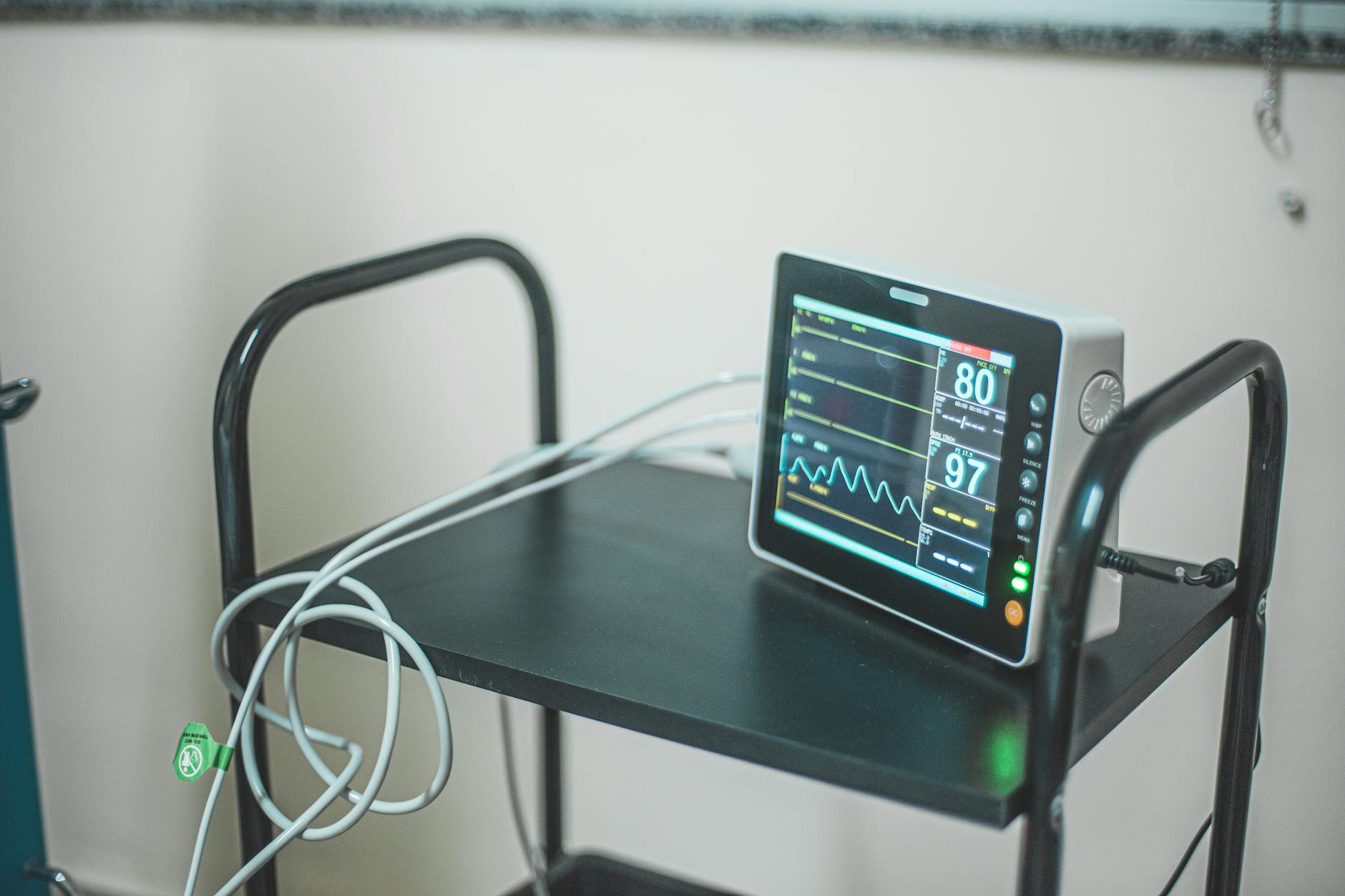
The dominant treatment philosophy was rest. Patients were confined to bed — sometimes for up to six weeks — under the belief that the damaged heart needed prolonged stillness to recover. Intensive care units existed, but continuous cardiac monitoring was far from universal. Nurses checked vital signs manually, on a schedule. If something went wrong between checks, the window to respond was dangerously narrow.
There were no clot-busting drugs approved for widespread cardiac use. No stents. No angioplasty. The concept of physically reopening a blocked coronary artery in real time wasn't yet part of the standard playbook. If the blockage didn't resolve on its own, the heart muscle it was starving simply died — and took the patient with it more often than not.
The numbers reflect this brutal reality. In the 1970s, roughly 50 percent of people who suffered a heart attack died from it. Many of those deaths happened before the patient ever reached a hospital.
The Milestones That Changed Everything
The transformation of cardiac care didn't happen overnight. It was a cascade of breakthroughs, each one building on the last.
In the late 1970s and early 1980s, researchers began demonstrating that heart attacks were caused by blood clots blocking coronary arteries — and that dissolving those clots quickly could save heart muscle. Thrombolytic drugs, sometimes called clot-busters, became the first major weapon in that fight. For the first time, doctors weren't just managing a heart attack — they were actively interrupting it.
Then came angioplasty. In 1977, Andreas Grüntzig performed the first balloon angioplasty on a conscious patient, physically widening a narrowed artery using a tiny inflatable balloon threaded through a catheter. It was a seismic shift. By the 1980s and 1990s, the procedure was becoming routine in major hospitals across the country.
Coronary stents arrived next — small metal scaffolds inserted into arteries to hold them open after angioplasty. Drug-eluting stents, which slowly release medication to prevent re-narrowing, refined the approach even further. Real-time imaging technology meant doctors could now watch exactly what was happening inside a patient's arteries on a monitor, guiding their tools with precision that would have seemed like science fiction in 1975.
And then there's the concept of the "door-to-balloon" time — the interval between a patient arriving at the hospital and having their blocked artery reopened. Today, the American Heart Association sets a benchmark of 90 minutes or less. Many top cardiac centers beat that target comfortably.
What a Heart Attack Looks Like in 2025
The modern cardiac emergency is almost unrecognizable compared to its 1970s counterpart. A patient with classic heart attack symptoms today triggers an immediate, highly coordinated response. Paramedics can transmit EKG readings to the hospital before the ambulance even arrives, giving the cardiac team time to prepare.
At the hospital, a catheterization lab — a specialized room equipped for real-time artery imaging and intervention — may already be staffed and waiting. The blocked artery is identified, a wire is threaded through, a balloon inflates, a stent is placed. Blood flow is restored. The whole procedure can take less than an hour.
Recovery timelines have compressed just as dramatically. Where a 1975 patient might spend weeks flat on their back, many stent patients today are discharged within two to three days. Cardiac rehabilitation programs, medications like statins and beta-blockers, and remote monitoring technology all support recovery once patients go home.
The survival numbers tell the whole story. The death rate from heart attacks in the United States has fallen by roughly 70 percent since the mid-1970s. Today, the majority of people who reach a hospital with a heart attack survive it.
A Lifetime of Progress
What makes this story so striking isn't just the science — it's the timeline. A person born in 1950 who had a heart attack in 1975 faced odds that were genuinely terrifying. If they survived, and had another cardiac event in 2025, they would enter a medical system so transformed it would be almost unrecognizable to their younger self.
All of that change — the stents, the clot-busters, the catheterization labs, the 90-minute benchmarks — happened within a single human lifespan. The doctors who trained in the era of mandatory bed rest lived to see colleagues reopening arteries in real time on a video screen.
It's easy to take that progress for granted. But for anyone who lost a parent or grandparent to a heart attack in an earlier era, the contrast is not abstract at all. It's deeply, quietly personal — a reminder of how much the world can change, and how much difference those changes can make when it counts most.