The Last Democracy in America Had a Coffee Pot and a Jukebox
Where America Solved Its Problems Over Hash Browns
Every morning at 6:47 AM, Harold Kowalski pushed through the glass door of Mel's Diner on Route 9, hung his John Deere cap on the third hook from the left, and settled into the counter stool that had been his unofficial seat for twenty-three years. By 7:15, he'd be joined by Frank the postal worker, Betty from the hardware store, and whoever else needed coffee strong enough to wake the dead and conversation real enough to matter.
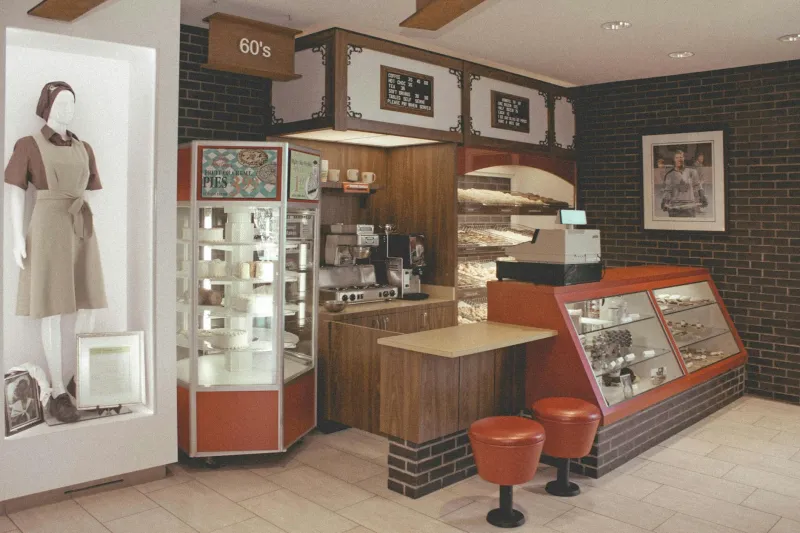
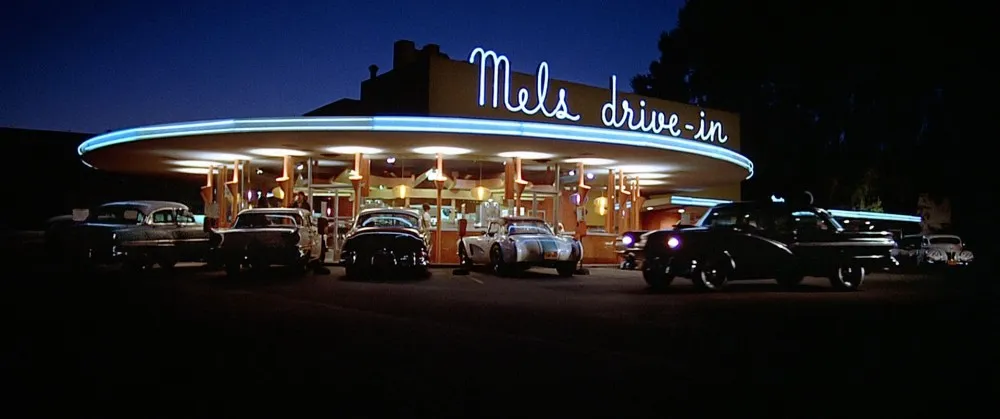 Photo: Mel's Diner, via cdn.wallpapersafari.com
This wasn't just breakfast. This was democracy in action, American-style, conducted over refillable cups and plates of eggs that cost $1.95 and came with hash browns that could feed a family. Mel's Diner—and thousands like it across the country—served as the unofficial town hall for communities that needed a place to argue, gossip, problem-solve, and occasionally reach consensus about everything from local politics to whether the high school football coach should be fired.
The diner booth was America's last great equalizer, where the bank president and the guy who fixed his car sat at the same counter, ordered from the same menu, and engaged in the kind of unfiltered conversation that shaped communities from the ground up.
The Democracy of the Daily Special
Walk into any classic American diner between 1950 and 1995, and you'd find a microcosm of local society conducting the business of citizenship over coffee that never got cold. The morning regulars knew each other's names, families, opinions, and the exact way everyone liked their eggs. More importantly, they knew how to disagree without walking away.
These weren't formal political gatherings. They were organic assemblies of neighbors who happened to need breakfast and found themselves solving the world's problems while waiting for their toast. The conversation flowed from local school board elections to national politics to whether the new traffic light on Main Street was actually making things worse. Everyone had opinions, everyone got heard, and everyone understood that showing up tomorrow meant living with whatever consensus emerged from today's discussion.
The physical space itself encouraged this kind of interaction. Counter seating put strangers shoulder-to-shoulder with nowhere to hide behind phones that didn't exist yet. Booth conversations spilled over into neighboring tables. The waitress knew everyone's story and wasn't shy about sharing opinions while refilling coffee cups. The diner operated as a democratic institution disguised as a place to get meatloaf.
Where Deals Got Made and Minds Got Changed
Real business happened in diner booths. Not the kind that required lawyers and contracts, but the handshake agreements that kept small communities functioning. The farmer who needed help with harvest found it over breakfast at Murphy's Diner. The widow who couldn't afford to fix her furnace discovered three neighbors willing to split the cost during the Tuesday morning coffee klatch. The new teacher learned which parents to call and which to avoid through conversations that started with "Pass the sugar" and ended with genuine community intelligence.
This informal information network was remarkably efficient. News traveled faster through diner conversations than through any official channels. You learned about job openings, house sales, family emergencies, and local scandals over pancakes and bacon. The diner served as the community's central processing unit for information that mattered to daily life.
Political opinions got tested and refined through these daily interactions. The guy who thought the mayor was an idiot had to sit next to the mayor's brother-in-law every morning and explain his position over scrambled eggs. Extreme views got moderated through constant exposure to neighbors who disagreed but couldn't be dismissed as strangers or enemies. The diner forced people to engage with opposing viewpoints in a setting where walking away meant giving up breakfast.
The Algorithm That Replaced the Coffee Pot
The decline of diner culture didn't happen overnight, but the forces that killed it are clear in hindsight. Fast food restaurants offered speed over conversation. Chain restaurants provided consistency over character. Drive-throughs eliminated the need to interact with anyone except the person taking your order. Home coffee makers reduced the necessity of leaving the house for caffeine.
But the final blow came from the digitization of community life. The conversations that once happened over coffee now occur in social media echo chambers where everyone agrees with everyone else. The local information network that operated through diner gossip got replaced by neighborhood Facebook groups where discourse follows algorithmic rules rather than social norms. The random encounters that created unlikely friendships got eliminated by apps that let you order food without talking to anyone.
The result is a form of community engagement that's simultaneously more connected and more isolated than anything previous generations experienced. You can know everything happening in your neighborhood through digital channels while never actually meeting your neighbors face-to-face.
What Democracy Looked Like at Counter Level
The diner represented something that political scientists call "social capital"—the informal networks of relationships that make communities function beyond official institutions. When Harold Kowalski spent twenty-three years drinking coffee next to Frank the postal worker, they built the kind of trust and familiarity that enabled real problem-solving.
These relationships created what sociologists call "weak ties"—connections between people who aren't close friends but know each other well enough to share information, offer help, and engage in civil disagreement. Weak ties are crucial for community cohesion because they bridge different social groups and create opportunities for cooperation across traditional boundaries.
The diner specialized in creating and maintaining weak ties. The regular who came in every Tuesday for pie ended up knowing the farmer who came in every Wednesday for coffee, and that connection might lead to fresh vegetables for the church potluck or help moving furniture when someone's daughter went to college. These weren't deep friendships, but they were the social glue that held communities together.
The Booth Where America Lost Its Voice
Today's equivalent of the diner conversation happens through delivery apps and drive-through windows that minimize human interaction. We get our food faster and more efficiently, but we lose the accidental encounters that created community connections. The morning regulars who once shaped local opinion through daily discussion now consume news and form opinions in digital isolation.
The transformation represents more than changing eating habits—it's the disappearance of public spaces where democracy happened at the grassroots level. The diner booth was where Americans learned to disagree civilly, find common ground, and solve problems through conversation rather than confrontation.
The loss of this informal democratic infrastructure helps explain why American political discourse feels so polarized and unproductive. When your primary political conversations happen with people who already agree with you, you lose the skills required for engaging with different viewpoints. When your community information comes through algorithms rather than neighbors, you lose the local knowledge that makes democracy work at the ground level.
The diner didn't just serve coffee and pie—it served democracy, one conversation at a time. And when the last diner closed, America lost something more valuable than a place to get a good breakfast: it lost a place where citizens could practice being citizens together.