The Missing Hour: How America's Schools Traded Childhood for Test Scores
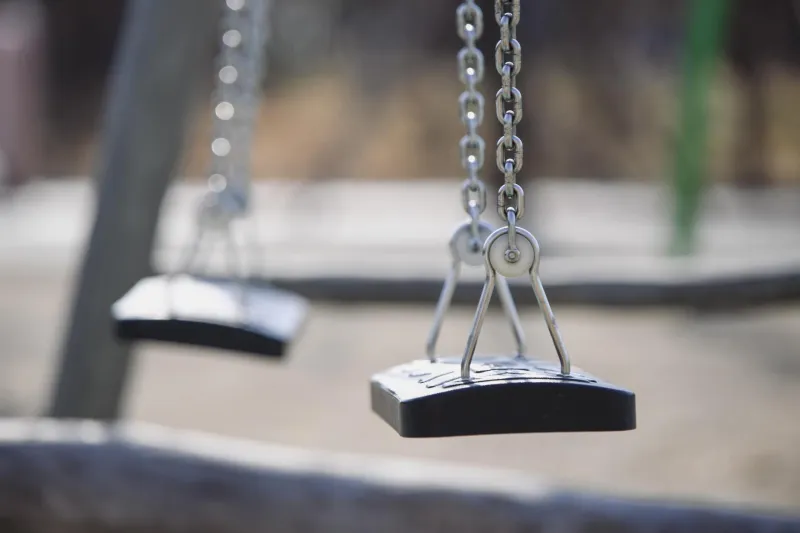
Walk past any elementary school at 11 AM on a Tuesday, and you'll notice something strange: silence. No shrieks of laughter, no arguments over kickball rules, no scraped knees requiring a trip to the nurse. The playgrounds sit empty, their swings moving only in the wind.
This wasn't always the case. Just forty years ago, those same playgrounds buzzed with activity for hours each day. American schoolchildren routinely enjoyed two separate recess periods—one in the morning, another after lunch—totaling 90 to 120 minutes of unstructured outdoor time. Kids organized their own games, settled their own disputes, and learned social skills that would serve them for life.
When Playgrounds Were the Real Classroom
In 1980, the typical elementary school day included a 30-minute morning recess and an hour-long lunch break that featured another 30 minutes of playground time. This wasn't considered "wasted" time—it was understood as essential. Teachers used these breaks to prepare lessons and catch their breath, while children burned energy and developed independence.
The playground hierarchy was complex and democratic. Fourth-graders taught second-graders the rules of four square. Kids negotiated trades for lunch desserts with the sophistication of Wall Street brokers. Friendships formed over shared swings, and conflicts resolved through elaborate games of tag.
"We learned everything on that playground," recalls Maria Gonzalez, now 52, who attended elementary school in Phoenix during the early 1980s. "How to include someone who looked lonely, how to stand up to a bully, how to lose gracefully. Those lessons stuck with me longer than anything from a textbook."
The Great Squeeze Begins
The erosion started gradually in the late 1980s and accelerated through the 1990s. The culprit wasn't a single policy decision but a perfect storm of changing priorities. Academic standards tightened. Standardized testing became the measure of school success. Insurance companies raised liability concerns about playground injuries. Budgets shrank, making playground maintenance expensive.
The 2001 No Child Left Behind Act delivered the knockout punch. Schools facing federal sanctions for low test scores began viewing recess as a luxury they couldn't afford. If students were struggling with reading and math, the logic went, why waste precious time on monkey bars?
By 2005, nearly 40% of American elementary schools had eliminated or significantly reduced recess time. Today, that number approaches 60%. Many schools that still offer recess limit it to 15-20 minutes—barely enough time to line up, walk outside, and return to class.
The Hidden Costs of Sitting Still
What seemed like a reasonable trade-off—more learning time for better test scores—has backfired spectacularly. Research now shows that children who get regular physical activity and unstructured play time actually perform better academically, not worse.
Dr. Romina Barros of Albert Einstein College of Medicine found that children who had more than 15 minutes of daily recess showed better classroom behavior and academic performance. The American Academy of Pediatrics now officially recommends that schools provide students with at least 20 minutes of daily recess.
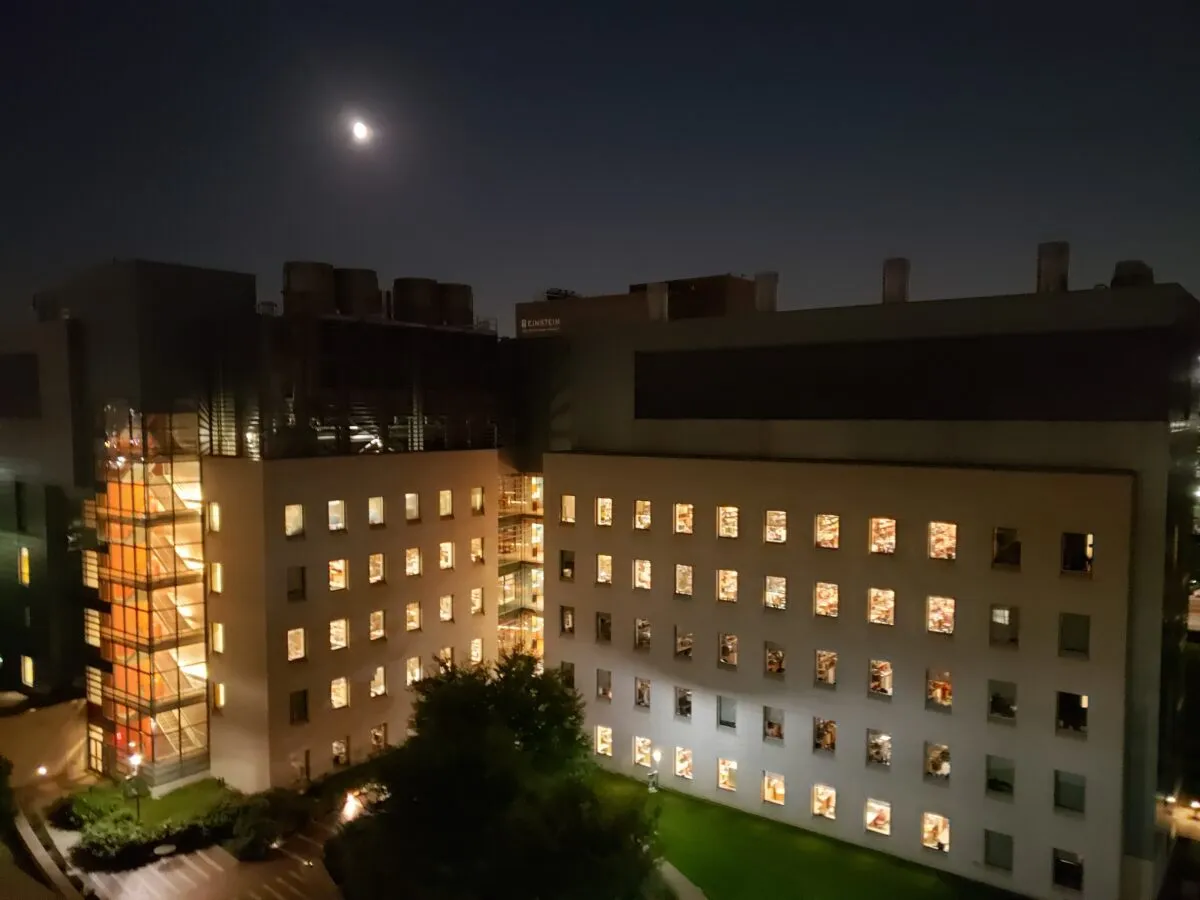 Photo: Albert Einstein College of Medicine, via mymedschool.org
But the damage extends beyond test scores. Child psychologists report increases in anxiety, depression, and social difficulties among elementary school children. Many kids arrive at middle school having never learned to resolve conflicts independently or organize group activities without adult supervision.
"We're seeing 12-year-olds who don't know how to play," says Dr. Jennifer Martinez, a child psychologist in Denver. "They've been so structured and supervised that they freeze when given free time. It's heartbreaking."
The Liability Trap
Meanwhile, fear of lawsuits transformed the playgrounds that do remain. The towering metal jungle gyms of the 1970s—complete with 12-foot slides and spinning merry-go-rounds that could launch a kid into orbit—gave way to shorter, safer, and infinitely more boring equipment.
School districts began banning traditional games. Dodgeball disappeared first, followed by tag, then any activity involving running or physical contact. Some schools prohibited cartwheels and handstands. Others banned balls entirely, citing safety concerns.
"We had a playground supervisor tell kids they couldn't run because someone might fall," says parent Jennifer Walsh from suburban Chicago. "At what point did we decide that childhood itself was too dangerous?"
What We Lost in Translation
The standardized test scores that schools sacrificed recess to improve? They've remained largely flat despite decades of increased instructional time. Meanwhile, childhood obesity rates have tripled, and ADHD diagnoses have skyrocketed.
Perhaps more importantly, we've lost something intangible but invaluable: the experience of true childhood independence. Previous generations learned to navigate complex social situations, take reasonable risks, and solve problems creatively—all skills that served them well in adulthood.
"My kids don't know how to be bored," admits parent Tom Rodriguez from Austin, Texas. "When they have unstructured time, they just stare at me and ask what they're supposed to do. I remember being bored was when the best adventures started."
The Path Back to Play
Some schools are beginning to recognize what was lost and actively working to restore recess. Districts in Texas, Montana, and New Jersey have mandated minimum daily recess time. Others are training teachers to step back during outdoor time, allowing children to organize their own activities.
But changing course requires acknowledging that the metrics we chose to measure success—test scores and safety statistics—may have blinded us to what childhood really needs. The playground wasn't just a place to burn energy between lessons. It was where kids learned to be human.
As we've gained data points and safety protocols, we've lost something harder to quantify but equally important: the sound of children figuring out the world for themselves, one game of kickball at a time.