The Man Behind the Counter Who Actually Cared
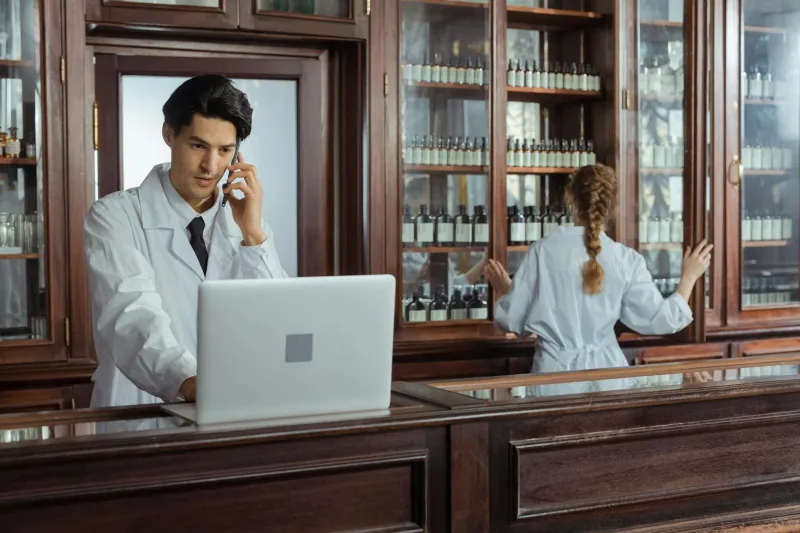
Walk into Miller's Pharmacy on Elm Street in 1975, and Harold Miller would look up from his prescription pad with a genuine smile. "How's that blood pressure medication working out, Mrs. Johnson?" he'd ask, already reaching for her monthly refill. "And tell your husband I found that special ointment for his back."
This wasn't exceptional customer service — it was Tuesday.
For most of the 20th century, America's neighborhood pharmacists operated as informal healthcare consultants. They knew which medications didn't play well together, which customers struggled with side effects, and which families needed a payment plan during tough times. The corner drugstore was equal parts medical facility, community center, and trusted advisor.
Today, that same prescription pickup involves scanning a barcode at a kiosk, waiting in line behind twelve other customers, and hoping the overworked pharmacy tech behind bulletproof glass can locate your order in the computer system.
When Your Pharmacist Was Your Healthcare Quarterback
In the pre-chain pharmacy era, pharmacists wielded genuine authority. Dr. Peterson might prescribe your medication, but it was Frank at the local pharmacy who explained what it actually did, warned you about drowsiness, and suggested taking it with food to avoid stomach upset.
These conversations happened naturally, without appointments or co-pays. A customer might mention feeling dizzy on their new heart medication, and the pharmacist would immediately call the prescribing doctor. This wasn't overstepping boundaries — it was expected professional collaboration.
Modern pharmacy chains have systematically eliminated this personal touch. Today's pharmacists are buried under insurance paperwork, corporate quotas, and liability concerns. The average prescription pickup involves minimal human interaction, and meaningful consultation requires scheduling a separate "medication therapy management" appointment — if your insurance covers it.
The Soda Fountain Solution to Healthcare Access
Those old-fashioned drugstores offered something revolutionary by today's standards: healthcare advice without a healthcare budget. Need to know if your child's fever warranted a doctor visit? The pharmacist could assess the situation and offer guidance. Wondering if that persistent cough required antibiotics? A five-minute conversation at the prescription counter often provided the answer.
Many neighborhood pharmacies featured soda fountains and lunch counters, creating natural opportunities for health conversations. A customer ordering a milkshake might casually mention their arthritis acting up, leading to a discussion about anti-inflammatory options. These informal consultations caught health issues before they became emergencies.
Contrast this with today's healthcare maze, where a simple question about medication side effects requires navigating phone trees, patient portals, and appointment scheduling systems. The convenience of 24/7 prescription pickup has come at the cost of 24/7 professional guidance.
When Credit Meant Character, Not Credit Scores
Neighborhood pharmacists extended informal credit based on character rather than algorithms. If the Johnson family hit financial hardship, their monthly prescription bill might quietly get pushed to next month, with a handwritten note: "Pay when you can."
This system worked because pharmacists knew their customers personally. They understood which families would honor their debts and which situations warranted flexibility. A factory layoff, medical emergency, or seasonal work gap didn't mean going without essential medications.
Modern chain pharmacies operate on strict corporate policies. No insurance coverage means no medication, regardless of personal circumstances. The GoodRx app has partially filled this gap, but it's a technological band-aid on a fundamentally human problem that was once solved with compassion and community knowledge.
The Algorithm Knows Your Prescription, But Not Your Story
Today's pharmacy experience is optimized for efficiency, not empathy. Automated systems track drug interactions, insurance approvals, and refill schedules with impressive accuracy. Your prescription history is instantly accessible, your insurance coverage is verified in real-time, and potential conflicts are flagged immediately.
But algorithms can't recognize when a regular customer looks unwell, can't offer encouragement during a difficult treatment, and can't provide the kind of healthcare continuity that comes from genuine human relationships.
The modern pharmacy tech might be perfectly competent, but they're processing hundreds of prescriptions per shift for customers they'll never see again. The personal investment that once made pharmacists trusted healthcare advisors has been systematized out of existence.
What We Lost When Efficiency Won
The death of the neighborhood pharmacy represents more than just business consolidation — it's a fundamental shift in how Americans access healthcare guidance. We've traded personal relationships for corporate convenience, community knowledge for algorithmic efficiency.
Yes, today's chain pharmacies offer extended hours, multiple locations, and sophisticated technology. But they've also eliminated the human buffer between patients and an increasingly complex healthcare system. The pharmacist who once served as translator, advocate, and trusted advisor has become just another overwhelmed healthcare worker behind a counter.
Somewhere between the soda fountain and the drive-through window, American healthcare lost something essential: the understanding that medicine isn't just about pills and prescriptions, but about people who need someone to care about their wellbeing.
The next time you're waiting in line at CVS, scanning your phone while an automated voice announces prescription delays, remember Harold Miller and his genuine smile. Progress isn't always about moving forward — sometimes it's about recognizing what we left behind.