When Summer Vacation Started with a Stack of Brochures and a Prayer
When Summer Vacation Started with a Stack of Brochures and a Prayer
Picture this: It's February 1982, and the Johnson family wants to take their kids to Disney World for the first time. There's no website to check. No reviews to read. No instant booking confirmation. Instead, Mom sits down at the kitchen table with a pen, a stack of envelopes, and a prayer that everything will work out by July.
This was the reality of vacation planning for generations of American families. What we now accomplish in thirty minutes of frantic Googling once required months of preparation, blind faith, and enough paperwork to fill a briefcase.
The Great Brochure Hunt
Before the internet turned every traveler into their own travel agent, Americans relied on a complex ecosystem of printed materials that would seem almost quaint today. The process started with collecting brochures – lots and lots of brochures.
Families would write letters to state tourism boards, requesting information about attractions, hotels, and restaurants. Each letter had to include a self-addressed stamped envelope, because even the cost of mailing brochures back to potential tourists was carefully calculated. The American Automobile Association (AAA) became a lifeline, providing members with TripTiks – custom-made route maps that highlighted approved hotels and restaurants along the way.
The brochures that arrived weeks later painted pictures of paradise. Hotels looked immaculate, restaurants seemed charming, and every attraction promised the experience of a lifetime. There was just one problem: these brochures were often years old, and sometimes bore little resemblance to reality.
The Travel Agent: Your Vacation's Guardian Angel
For families with bigger budgets or more complex itineraries, the travel agent was both savior and mystery. These professionals operated from small storefronts in strip malls across America, surrounded by posters of tropical beaches and European castles that most of them had never actually visited.
Travel agents had access to something magical: the reservation systems that connected them directly to airlines, hotels, and car rental companies. They could check availability, make bookings, and even negotiate group rates. But this power came with a catch – you had to trust them completely.
When the Millers wanted to take their family to Hawaii in 1985, they handed over a $3,000 deposit to a travel agent they'd never met before, based on a recommendation from a neighbor. There was no way to verify the agent's credentials online, no Better Business Bureau reviews to check, and no recourse if things went wrong beyond small claims court.
The relationship between families and travel agents was built on faith in a way that's almost impossible to imagine today. You described your dream vacation, handed over your money, and hoped for the best.
The Art of the Backup Plan
Smart travelers in the pre-internet era always had contingency plans, because Murphy's Law ruled supreme when you couldn't check anything in real-time. Families would research multiple hotels in the same area, just in case their first choice was full, under construction, or had been demolished since the brochure was printed.
The concept of "confirmed reservations" was more flexible than today. Hotels would overbook regularly, knowing that some guests wouldn't show up. The difference was that stranded families couldn't immediately search for alternatives on their phones. They had to drive around, knock on doors, and hope someone had a vacancy.
Many families developed relationships with specific hotels or resort chains, returning year after year not just for familiarity, but for the security of knowing their reservation would actually exist when they arrived.
When Getting There Was Half the Battle
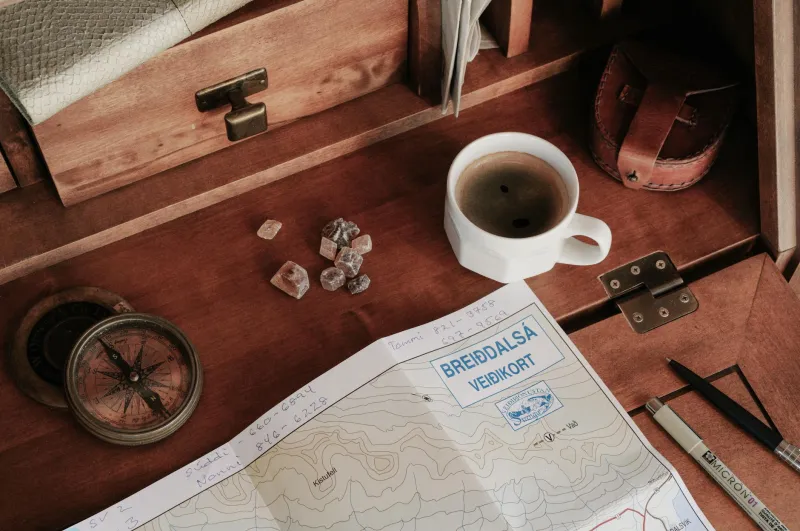
Planning the journey itself required skills that would baffle today's GPS-dependent travelers. Families spread paper maps across dining room tables, plotting routes with highlighters and calculating driving times by hand. They had to account for construction delays they couldn't possibly know about, and plan stops at gas stations that might or might not still be in business.
The AAA TripTik became essential for any journey longer than a few hours. These personalized maps, hand-drawn by AAA employees, highlighted recommended routes and approved businesses along the way. Getting a TripTik required an office visit, a conversation with a travel counselor, and a wait time that could stretch to weeks during busy travel seasons.
The Gamble of Arrival
Perhaps the most stressful moment in pre-internet travel was walking into your destination hotel for the first time. Would it match the brochure photos? Would your reservation actually exist? Was the "oceanview" room really just a glimpse of water between two buildings?
Families learned to arrive early in the day, giving themselves time to find alternatives if their first choice fell through. The phrase "Do you have anything available?" was a common refrain at hotel front desks across America, as travelers played a daily lottery with their vacation accommodations.
The Trust Economy
What's most remarkable about this era isn't just the inconvenience – it's how much trust the entire system required. Families regularly committed thousands of dollars and weeks of vacation time based on information they couldn't independently verify. They trusted travel agents they barely knew, hotels they'd never seen, and attractions that might have closed years earlier.
This trust economy created its own form of accountability. Travel agents who consistently disappointed clients would lose their businesses. Hotels that didn't match their brochures would see their reputations spread through word-of-mouth networks that, while slower than today's instant reviews, were just as devastating.
The Patience We've Lost
Compare this to today's travel planning, where we expect instant confirmation, real-time photos, and detailed reviews from strangers. We can virtually tour our hotel rooms, read complaints about everything from Wi-Fi speed to pillow firmness, and change our plans with a few taps on our phones.
The old system required patience, faith, and acceptance that some things were beyond your control. It also created a different kind of adventure – one where uncertainty was part of the experience, and flexibility was a survival skill rather than a luxury.
The next time you book a vacation in fifteen minutes while standing in line at the grocery store, remember the families who spent months planning the same trip, armed with nothing but hope, a stack of brochures, and the kind of optimism that could turn any destination into an adventure.