When Moving Trucks Meant Meeting People
In 1963, when the Kowalski family moved into their new ranch house in Dearborn, Michigan, they hadn't even finished unloading the moving truck before neighbors started appearing. Mrs. Patterson from next door arrived with a tuna casserole and an offer to help with the kids. The Hendersons from across the street brought coffee and local phone numbers. By evening, the Kowalskis knew a dozen names and had dinner plans for the weekend.
This wasn't exceptional community spirit — it was standard operating procedure. Moving into a neighborhood triggered an almost automatic social protocol that transformed strangers into neighbors within hours. The rituals were so predictable they became cultural shorthand: the casserole brigade, the borrowed cup of sugar, the front-porch conversation that stretched into evening.
Today, that same house might sit occupied for months before neighbors realize someone new moved in. The moving truck comes and goes unnoticed, garage doors close behind arriving cars, and the opportunity for organic introduction passes without ceremony.
The Architecture of Accidental Friendship
Post-war suburban design accidentally created the perfect conditions for neighbor relationships. Front porches faced the street, driveways were shared spaces, and daily routines naturally intersected. Walking to get mail, watering the lawn, or letting kids play outside meant encountering the people who lived nearby.
These weren't planned social interactions — they were inevitable byproducts of how neighborhoods were built. The physical layout of communities forced casual encounters that gradually built familiarity. You couldn't avoid seeing Mrs. Johnson tend her roses or hearing Mr. Martinez work on his car in the driveway.
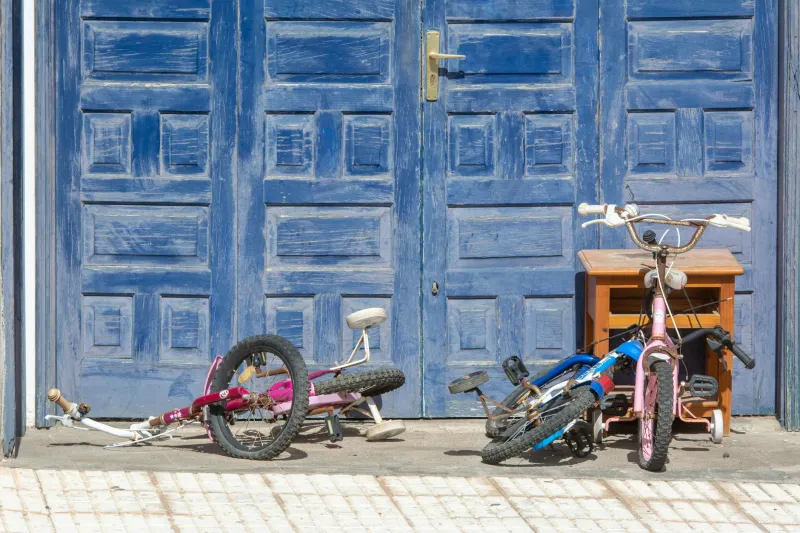
Children amplified these connections exponentially. Kids playing in yards, riding bikes on sidewalks, and walking to school created natural bridges between households. Parents met through their children's friendships, school carpools, and the shared supervision of neighborhood play.
The Great Retreat Indoors
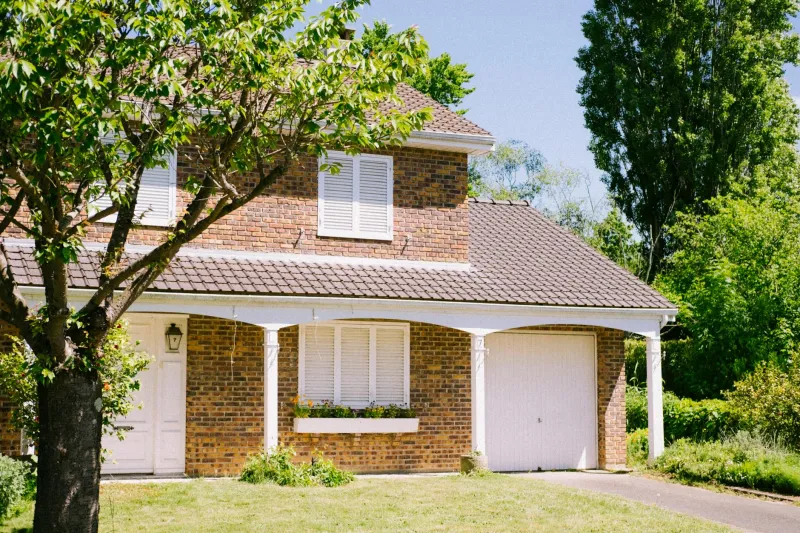
Somewhere between the 1980s and today, American suburban life reorganized itself around privacy rather than community. New home designs prioritized the garage entrance over the front door, placing cars — not people — at the center of daily arrival and departure routines. Fenced backyards replaced open front lawns as the primary outdoor living space.
The shift wasn't malicious or even conscious. Families wanted security, privacy, and convenience. But each individual choice — the privacy fence, the garage-entry design, the home security system — incrementally reduced the chances for spontaneous neighbor contact.
Technology accelerated this isolation. Air conditioning eliminated the need to open windows or sit on porches during hot weather. Automatic sprinkler systems ended the evening ritual of lawn watering. Even lawn mowing, once a social opportunity for weekend conversations, increasingly moved to hired services or robotic systems.
The Digital Replacement Strategy
As physical neighbor connections weakened, Americans developed elaborate digital substitutes. Neighborhood apps like Nextdoor promised to recreate community bonds through smartphones. Facebook groups for local areas attempted to facilitate the information sharing that once happened over backyard fences.
These platforms work for certain functions — lost pet alerts, crime notifications, local business recommendations. But they've proven remarkably poor at generating the deeper social connections that physical proximity once fostered naturally. Knowing someone's opinion about local parking policies isn't the same as knowing they're recovering from surgery and could use help with groceries.
The irony is striking: we've never had better tools for communicating with neighbors, yet we've never been less likely to know their names. The technology that was supposed to enhance community connection often replaces it entirely.
What We Lost in the Translation
The decline of neighborhood relationships represents more than social nostalgia — it's the erosion of a crucial support system that Americans once took for granted. Neighbors used to serve as informal emergency contacts, package recipients, and casual childcare backup. They provided local knowledge, social accountability, and the comfort of familiar faces in daily life.
This network was particularly valuable during crises. When someone lost a job, got sick, or faced family problems, neighbors often knew immediately and responded accordingly. The help wasn't organized through formal channels — it emerged organically from existing relationships.
Today, many Americans live surrounded by people who wouldn't notice if they disappeared for weeks. The physical proximity remains, but the social connectivity has largely evaporated. We've maintained the appearance of community while losing much of its functional value.
The Loneliness of Crowded Spaces
Modern suburban neighborhoods often feel simultaneously crowded and lonely. Houses sit close together, but lives remain largely separate. Families might share property lines for decades without sharing much else. The proximity that once guaranteed social connection now feels almost mocking — so many people nearby, so few actual relationships.
This isolation has measurable health consequences. Studies consistently link social connection to better physical health, lower stress, and increased longevity. The casual neighbor relationships that previous generations took for granted provided daily doses of social interaction that many Americans now lack entirely.
Younger generations, raised in this isolated suburban model, often don't realize what they're missing. The idea of knowing everyone on your block, or having neighbors who would notice if you didn't pick up your mail, seems almost intrusive to people accustomed to privacy-first living.
The Conscious Community Movement
Some Americans are deliberately trying to recreate the neighbor relationships their parents and grandparents experienced naturally. Intentional communities, co-housing projects, and neighborhood organizing efforts attempt to engineer the social connections that suburban design accidentally eliminated.
These efforts require far more conscious work than the automatic neighbor relationships of previous eras. What once happened through architectural inevitability now requires planning, coordination, and sustained effort. The results can be rewarding, but the process highlights how much social infrastructure we've lost.
The most successful attempts often involve physical changes — removing fences, creating shared spaces, organizing regular gatherings. They're essentially trying to reverse-engineer the conditions that once made neighbor relationships inevitable rather than optional.
America didn't decide to stop knowing its neighbors — we just built a world where not knowing them became the path of least resistance. The welcome wagon didn't die from lack of interest; it became a casualty of architectural and technological choices that prioritized individual convenience over community connection. We're still living with the consequences of that trade-off, often without realizing what we traded away.