From Driveway to Debt Trap: How Americans Stopped Owning Cars and Started Renting Them Forever
The Last Generation to Own Their Rides
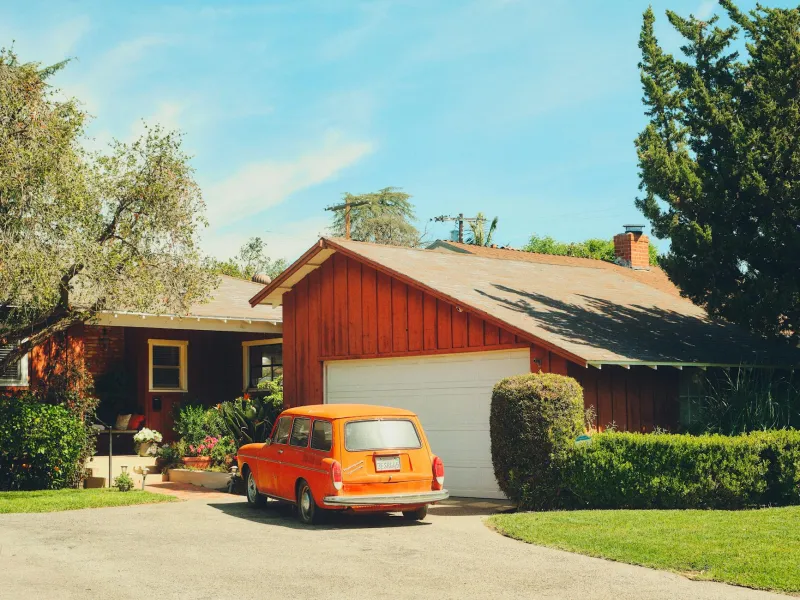
In 1970, something happened in American driveways that seems almost impossible today: families finished paying for their cars and kept driving them. For years. Sometimes decades.
My neighbor's father bought a 1969 Chevelle with cash saved from his factory job. He drove it until 1987, when rust finally claimed more of the car than he was willing to fix. Eighteen years of transportation with zero monthly payments—a concept so foreign to modern car culture it sounds like a fairy tale.
That Chevelle represents the end of an era when Americans viewed automobiles as assets to be acquired and kept, not lifestyle accessories to be perpetually financed.
When Car Lots Meant Ownership
The car-buying experience of the 1960s and 70s would shock today's consumers. Buyers typically saved for months or years, showed up at the dealership with a substantial down payment, and financed the remainder over 24 to 36 months maximum. The goal wasn't to minimize monthly payments—it was to eliminate them as quickly as possible.
Dealers didn't push extended warranties, gap insurance, or maintenance packages. They sold cars to people who intended to drive them until the wheels fell off. The average vehicle stayed in the same family for 8-12 years, accumulating memories, character, and occasionally, transmission problems that were fixed rather than traded away.
Leasing existed but remained a niche option for business owners and the wealthy. Regular families didn't rent their transportation—they bought it, owned it, and took pride in keeping it running.
The Monthly Payment Revolution
Sometime in the 1980s, American car culture shifted from ownership to affordability. Dealerships discovered they could sell more expensive vehicles by extending loan terms and emphasizing monthly payments over total cost.
The transformation was gradual but devastating. Three-year loans became four-year loans, then five, then six. By the 2000s, seven and eight-year car loans became commonplace. Today, some dealers offer financing that stretches beyond a decade.
This shift fundamentally changed the relationship between Americans and their vehicles. Instead of saving to buy transportation, families began viewing car payments as a permanent expense, like utilities or rent.
The Lease Trap Goes Mainstream
Leasing exploded in popularity during the 1990s, marketed as a way to drive newer, nicer cars for lower monthly payments. Suddenly, families who couldn't afford to buy a BMW could lease one, trading ownership for the appearance of success.
The lease model perfectly captured America's evolving relationship with material goods: access over ownership, experience over equity. Why own a depreciating asset when you could always be driving something newer?
But leasing created its own trap. Lease payments never end. There's no moment of financial freedom, no paid-off vehicle to drive while saving for the next one. Just an endless cycle of payments for cars that will never belong to you.
The Numbers Tell the Story
The statistics reveal how dramatically American car ownership changed:
- 1975: Average auto loan term was 36 months
- 2023: Average auto loan term exceeds 69 months
- 1980: Average car payment was $158 (about $550 in today's dollars)
- 2023: Average car payment exceeds $700
- 1970: 15% of vehicles were financed
- 2023: 85% of vehicles involve financing or leasing
Perhaps most telling: the average American now trades vehicles every 3-4 years, often while still owing money on their current car. "Negative equity" or being "upside down" on a car loan has become so common that dealerships routinely roll old debt into new loans.
The Subscription Car Era
Today's car market has pushed the rental model even further. Some manufacturers now offer subscription services where consumers pay monthly fees for access to different vehicles. Others sell cars with features that require ongoing subscriptions—heated seats that won't work without a monthly payment, or advanced safety features locked behind a paywall.
The idea of buying a car once and using all its features for years without additional payments seems as outdated as hand-crank windows.
What We Lost in Translation
The shift from ownership to perpetual payments represents more than just changing financing options. It reflects a fundamental change in how Americans think about financial security and material wealth.
Previous generations built wealth by acquiring assets and eliminating debt. A paid-off car represented financial freedom—months when that $300 payment could go toward savings, home improvements, or family vacations.
Today's car culture eliminates that possibility. The average American will make car payments from their first job until retirement, never experiencing the financial breathing room that comes with truly owning their transportation.
The Debt Treadmill
Modern car financing has created a treadmill of debt that's nearly impossible to escape. Extended loan terms mean buyers owe more than their cars are worth for most of the loan period. When it's time to trade, that negative equity gets rolled into the new loan, creating an ever-growing debt burden.
Families that once owned their transportation free and clear now carry $30,000, $40,000, or even $50,000 in automotive debt across multiple vehicles. The monthly payments that seemed manageable individually become a crushing burden collectively.
The Road Back
Some Americans are recognizing the trap and fighting back. They're buying reliable used cars with cash, keeping vehicles longer, and prioritizing transportation over status. But they're swimming against a cultural current that equates car payments with normal adult life.
The infrastructure of modern car culture—from dealer financing to insurance requirements to social expectations—all support the rental model over true ownership.
Mile Markers of Change
The evolution from ownership to perpetual rental represents one of the most significant changes in American financial life. A generation that viewed car payments as a temporary inconvenience raised children who see them as a permanent fact of life.
Somewhere between the last payment on that 1969 Chevelle and today's eight-year loans, Americans stopped buying cars and started renting them forever. We gained access to newer technology and lower monthly payments, but lost something more valuable: the financial freedom that comes with truly owning the things that get us through life.
The driveway still holds a car, but increasingly, it belongs to someone else.