Mom's Sandwich vs. Government Cheese: How America's School Lunch Lost Its Soul
The Brown Bag Era
Picture this: It's 1965, and Sally Thompson is packing her son's lunch at the kitchen counter. She wraps yesterday's leftover meatloaf in wax paper, adds a thermos of milk from the local dairy, and tosses in a homemade chocolate chip cookie still warm from the oven. Tommy's lunchbox — a metal Roy Rogers model — carries not just food, but a piece of home.
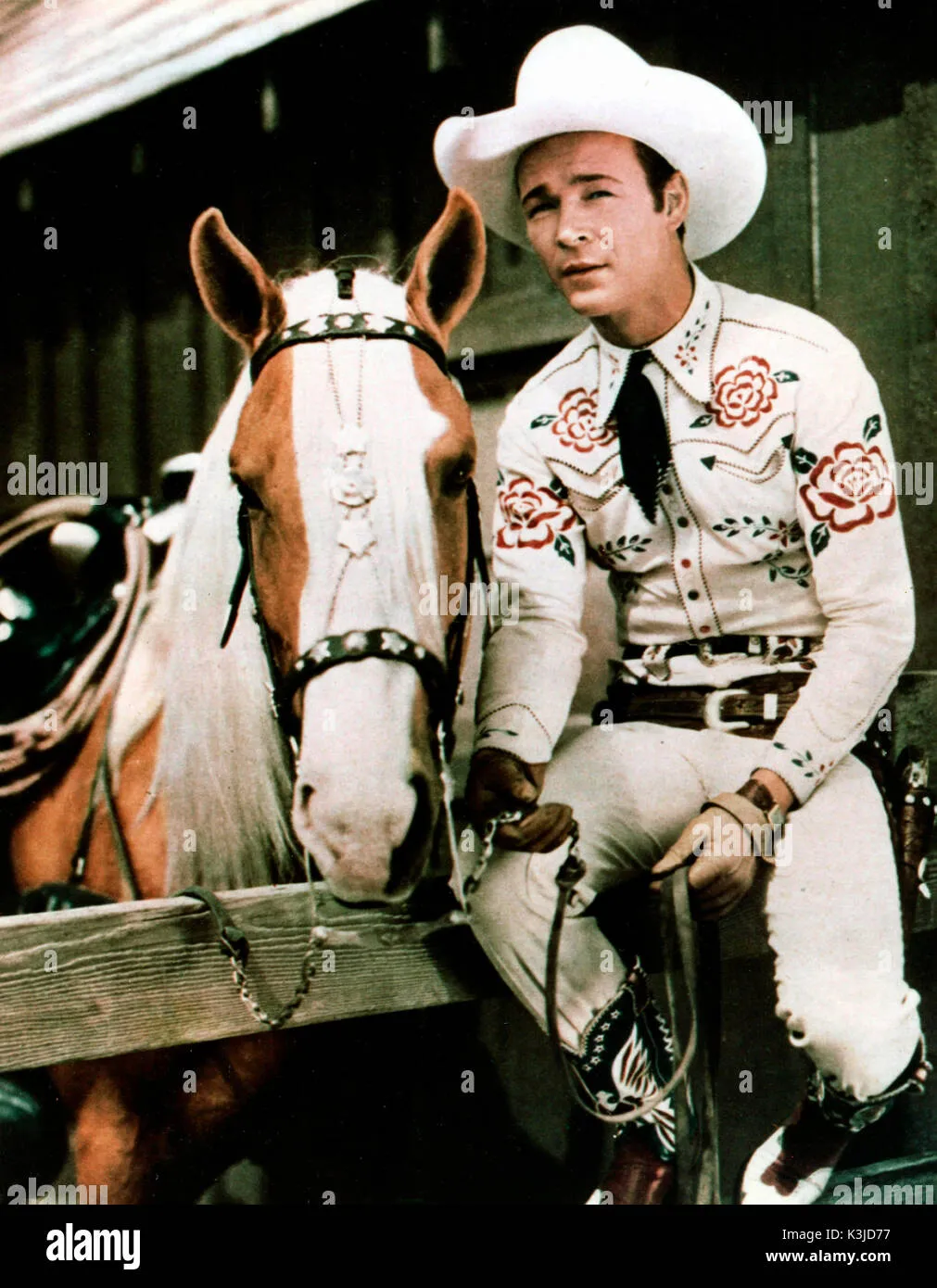 Photo: Roy Rogers, via c8.alamy.com
This wasn't just lunch. It was a daily reminder that someone cared enough to wake up early, plan ahead, and send you off with sustenance that reflected your family's taste, budget, and love language.
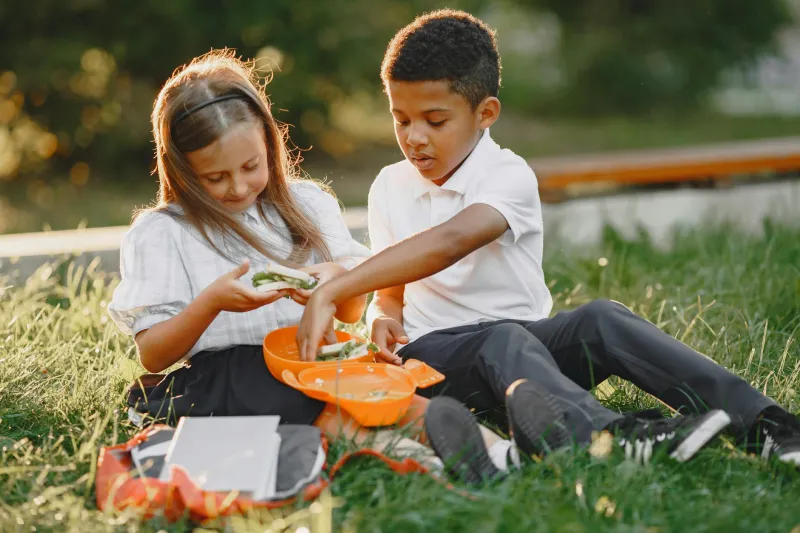
Most American kids in the 1950s and 60s carried lunch from home. The school cafeteria, if it existed at all, was often just a room with tables where kids unwrapped their homemade meals. Some schools had "hot lunch" programs, but they were simple affairs — maybe soup on Fridays or milk for a nickel.
When Uncle Sam Started Serving Lunch
The National School Lunch Program officially launched in 1946, but it took decades to reach most American schools. The program started as a way to use up agricultural surpluses and address malnutrition discovered during World War II draft physicals. Too many young men were rejected for military service due to poor nutrition.
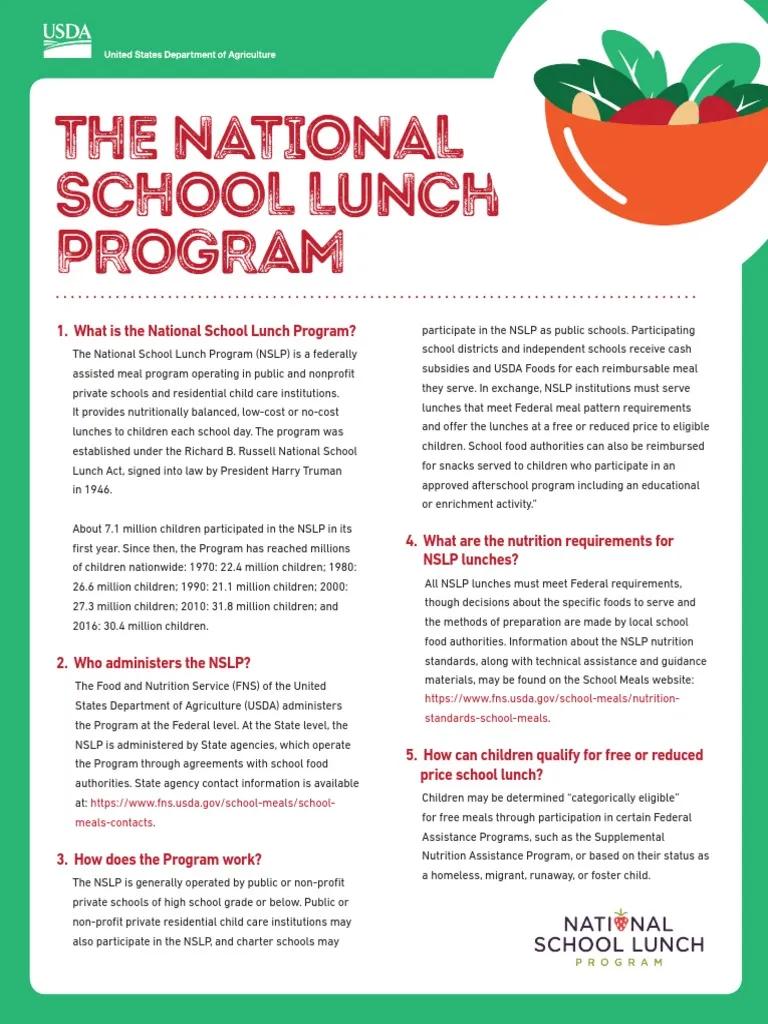 Photo: National School Lunch Program, via imgv2-1-f.scribdassets.com
By the 1970s, federal lunch programs were expanding rapidly. The government wasn't just providing food — it was standardizing it. Nutritional guidelines replaced family preferences. Portion controls superseded mom's judgment about how much her growing teenager needed.
The shift wasn't instant. Through the 1960s and early 70s, many kids still carried lunch from home while others bought the new "hot lunch" options. But economics and convenience gradually tipped the scales toward institutional food service.
The Thermos Revolution
Remember thermoses? Those wide-mouth containers that kept soup hot and milk cold were engineering marvels that every lunch-carrying kid owned. The ritual was precise: Mom would heat the soup to near-boiling, pour it into the pre-warmed thermos, and twist the cap tight. By noon, you'd have steaming chicken noodle soup that tasted like home.
Compare that to today's approach: industrial-grade warming ovens keep pre-made soup at regulation temperatures, served in disposable containers to kids who've never experienced the satisfaction of unscrewing a thermos cap to release a cloud of aromatic steam.
The thermos wasn't just functional — it was personal. Kids decorated them, collected different characters, and took pride in keeping them clean. When the thermos broke, it was a family crisis requiring an immediate trip to the five-and-dime.
What We Actually Ate
A typical 1960s lunch from home might include:
- Sandwich on white bread (bologna, peanut butter and jelly, or leftover roast)
- Piece of fruit from the backyard tree
- Homemade cookies or cake
- Thermos of milk or soup
- Maybe a hard-boiled egg or carrot sticks
Today's federally regulated school lunch must include:
- Specific portions of protein, grains, fruits, and vegetables
- Low-fat or fat-free milk
- Limited sodium and trans fat
- Whole grain requirements
- Calorie restrictions based on age groups
The 1960s lunch reflected family food culture. Italian-American kids might carry leftover pasta. Farm families packed hearty sandwiches with thick-sliced homemade bread. Southern kids brought cornbread and sweet tea.
Today's lunch reflects federal nutritional science and agricultural policy. It's designed by committees, tested in labs, and optimized for cost efficiency across millions of meals.
The Economics of Care
Packing lunch in 1965 cost families maybe 25 cents per day — the price of bread, lunch meat, and an apple. But the real cost was time and attention. Someone had to shop, plan, prepare, and pack. Someone had to remember that Johnny hated mustard but loved mayo.
Modern school lunch programs serve meals for as little as $2.40 per child, subsidized by federal funds. For many families, especially those qualifying for free or reduced-price meals, it's an economic lifeline that didn't exist in the brown bag era.
But something intangible was lost in the transition. The lunch that mom packed carried emotional nutrition along with calories. It said, "I thought about you this morning. I know what you like. I care about your day."
The Cafeteria Lady Revolution
School food service workers in the modern era are professionals following detailed nutritional guidelines and food safety protocols. They manage massive logistics, serve hundreds of meals in 30-minute windows, and navigate complex federal regulations.
But ask anyone who grew up in the 1980s about "the lunch lady," and they'll tell you about Mrs. Johnson who remembered that you liked extra mashed potatoes, or Mr. Garcia who always had a joke ready along with your tray.
The scale changed everything. When you're serving 300 kids instead of 30, individual relationships become impossible. Efficiency replaces intimacy.
Coming Full Circle?
Interestingly, some modern schools are trying to recapture elements of the homemade lunch era. Farm-to-school programs source local ingredients. Some districts have on-site gardens where kids grow vegetables for their meals. "Scratch cooking" initiatives attempt to move away from pre-processed foods.
Meanwhile, many families are returning to packed lunches — not from nostalgia, but from concerns about processed foods, food allergies, or dietary preferences that institutional kitchens can't accommodate.
The difference is that today's packed lunch often comes with an ice pack, insulated bag, and multiple compartments for different foods. It's more sophisticated equipment serving the same basic human need: someone who cares about you prepared this meal.
What We Lost (And Gained)
The shift from home-packed to institutional lunch solved real problems. It eliminated the embarrassment of kids who couldn't afford lunch. It provided nutrition to children who might not get adequate meals at home. It freed up time for working parents.
But it also standardized one of childhood's most personal experiences. Lunch used to be a daily reminder of home in the middle of the school day. Now it's a federally regulated meal designed by nutritionists and served by food service corporations.
The brown bag era required more work from families, but it created daily touchpoints of care. Every unwrapped sandwich was a small act of love. Every thermos of soup was a warm hug from home.
Today's school lunch feeds more kids more nutritiously and more efficiently than ever before. But it's worth remembering what we traded away when lunch stopped being something mom made the night before and became something Uncle Sam serves on a tray.