When Your Coach Was Your Neighbor's Dad: How Youth Sports Lost Its Heart
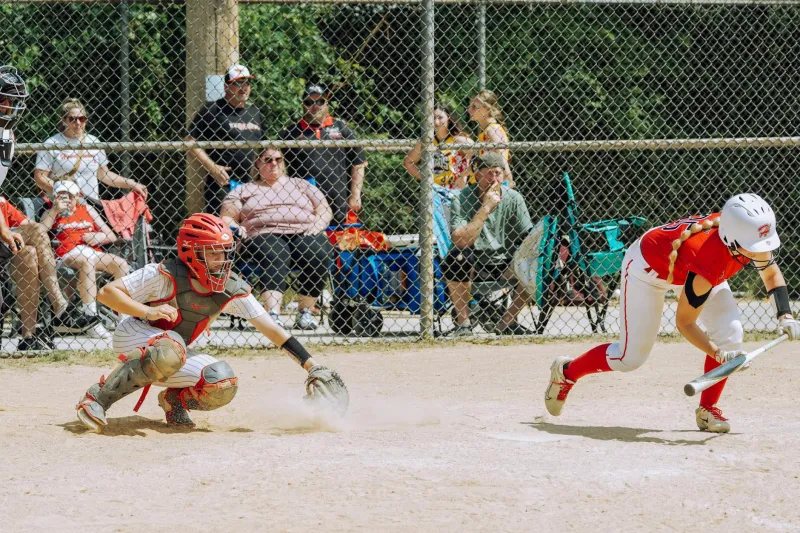
The Dad Who Coached Because Someone Had To
Every American town used to have him: the father who volunteered to coach Little League not because he'd played college ball or understood advanced strategy, but because the kids needed someone to show up with a bag of baseballs and a willingness to teach them how to slide safely into second base.
 Photo: Little League, via thumb-nss.xhcdn.com
Coach Peterson worked at the hardware store, Coach Martinez taught third grade, and Coach Williams fixed cars at the Texaco station. They knew your parents from church or the PTA, had seen you grow up in the neighborhood, and understood that their job wasn't to create future college athletes—it was to teach ten-year-olds that showing up mattered more than winning.
These men coached teams for decades, watching kids come and go, celebrating improvement rather than championships. They knew which player's parents were getting divorced, who struggled with math homework, and which kids needed extra encouragement just to keep trying. The relationship between coach and child extended far beyond the baseball diamond or basketball court.
When Sports Were Seasonal and Local
Youth sports operated on a rhythm that matched childhood's natural patterns. Baseball happened in spring and summer, football in fall, basketball in winter. Kids played multiple sports not because parents wanted them to be well-rounded athletes, but because that's simply what each season offered.
Teams drew from neighborhoods and school districts, creating rosters that reflected the genuine diversity of American communities. Rich kids and poor kids, athletic standouts and benchwarmers, all wore the same uniforms and learned the same lessons about teamwork and perseverance. The goal wasn't to segregate talent—it was to give every child a chance to participate.
Practices happened after school on whatever field or gym the town could provide. Equipment was basic: hand-me-down gloves, shared helmets, and uniforms that got passed down through siblings. Parents showed up when they could, but the emphasis was on the kids learning to be responsible for their own preparation and performance.
The Village That Raised Athletes
Youth sports coaching was embedded in the social fabric of American communities. Coaches weren't hired professionals—they were neighbors, family friends, and community members who understood their role extended far beyond teaching proper batting stance or defensive positioning.
These volunteer coaches knew the families they served. They'd coached older siblings, attended the same churches, and shopped at the same grocery stores. This familiarity created accountability that went both ways: coaches cared about the whole child, not just their athletic performance, while parents trusted coaches to reinforce the values they were teaching at home.
The coaching philosophy was simple: effort mattered more than ability, improvement deserved celebration, and losing gracefully was more important than winning at all costs. Coaches emphasized fundamentals, sportsmanship, and having fun—concepts that seem almost quaint in today's hyper-competitive youth sports landscape.
When Character Development Wasn't a Marketing Slogan
The volunteer coaches of mid-twentieth century America didn't talk much about "building character" or "developing leadership skills"—they simply modeled these qualities and expected kids to absorb them through participation. The lessons were practical and immediate: show up on time, respect your teammates, try your best even when you're losing.
Coaches dealt with discipline issues the way neighbors dealt with neighborhood kids—with authority, fairness, and the understanding that mistakes were learning opportunities. Getting benched for poor attitude or missing practice meant something because the coach knew your family and would probably see your parents at the hardware store on Saturday.
This community-based approach created natural mentorship relationships that often lasted years beyond a child's playing career. Former players would return as teenagers to help with younger teams, creating a cycle of community investment that strengthened both the sports programs and the neighborhoods they served.
The Professionalization That Changed Everything
Today's youth sports landscape would be unrecognizable to those volunteer coaches of previous generations. Travel teams, private lessons, and specialized training have replaced neighborhood leagues and seasonal sports. Children as young as eight are expected to choose a single sport and commit to year-round training that rivals what college athletes experienced just decades ago.
The volunteer father has been replaced by paid coaches who often work with multiple teams and may never meet the parents of the children they train. These professionals bring expertise and advanced training methods, but they've also introduced a transactional relationship that eliminates the community connections that once made youth sports meaningful.
Parents now spend thousands of dollars annually on club fees, equipment, travel expenses, and private coaching. This economic barrier has effectively segregated youth sports by income level, creating elite programs for families who can afford them and leaving everyone else with diminished opportunities for participation.
What We Lost When Expertise Replaced Familiarity
The shift from volunteer community coaches to paid professionals has brought undeniable improvements in training quality and athletic development. Today's youth athletes are stronger, faster, and more skilled than previous generations. But these gains have come at the cost of something harder to measure: the sense that sports were about more than athletic achievement.
We've lost the understanding that coaches should know their players as whole human beings, not just athletic performers. The coach who knew your family, your struggles, and your character could provide guidance that went far beyond sports technique. Today's specialized coaches may be better at teaching proper form, but they're less equipped to help a struggling child develop confidence or learn to bounce back from disappointment.
The community investment that once sustained youth sports has been replaced by consumer transactions. Parents pay for services rather than volunteering their time, creating programs that serve customers rather than building neighborhoods. This shift has made youth sports more professional but less personal, more competitive but less inclusive.
The Price of Turning Play Into Performance
Perhaps most significantly, we've lost the idea that youth sports should be fun for everyone, not just the most talented players. The neighborhood coach who knew every kid's name and made sure everyone got playing time has been replaced by specialists focused on developing elite talent and winning championships.
This transformation reflects broader changes in American childhood, where unstructured play has given way to organized activities designed to build resumes rather than character. The dusty fields behind elementary schools where kids learned to love games have been replaced by manicured facilities where children learn to perform for adult evaluation.
The volunteer coach who showed up because someone had to has become a relic of an era when communities took collective responsibility for raising children. In losing that model, we've gained athletic sophistication but lost something more valuable: the understanding that sports should teach kids how to be good teammates, gracious competitors, and resilient human beings—lessons best learned from coaches who cared about them as neighbors, not just athletes.