Paper Scorecards and Cigarette Smoke: The Night the Bowling Alley Was the Center of the Universe
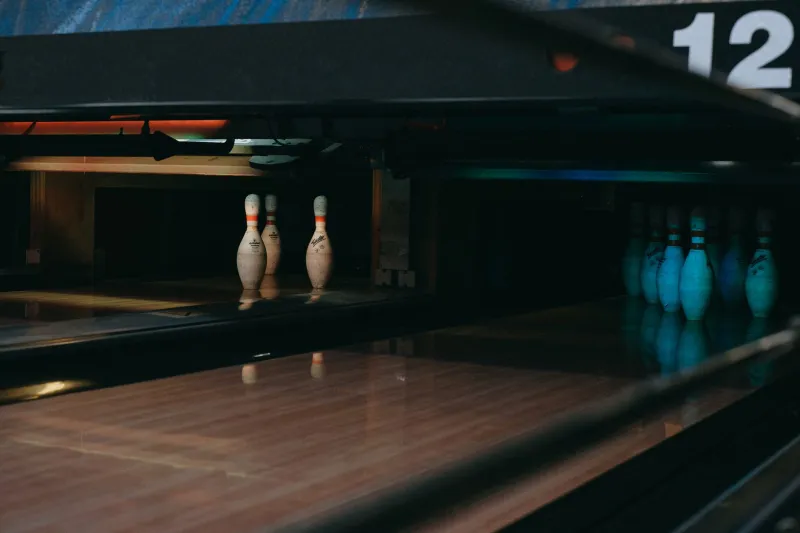
The smell hits you first in the memory — a combination of lane oil, cigarette smoke, rental shoe leather, and something faintly fried from the snack counter. Then the sound: the hollow crack of a ball finding the pocket, the cascade of pins, the groan from the next lane over, the mechanical thunder of the pinsetter doing its work. Then the people. So many people, on a Wednesday night, in a building that was never trying to be anything other than exactly what it was.
The American bowling alley at its peak wasn't just a place to bowl. It was one of the most genuine community spaces this country ever produced.
The League Was the Thing
To understand what bowling alleys once meant to American life, you have to understand the league system. Organized bowling leagues weren't a casual hobby — they were a structured, recurring social institution that anchored the weekly calendar for tens of millions of Americans from roughly the 1940s through the 1980s.
Factory workers had leagues. Churches had leagues. The VFW had leagues. Insurance companies, hardware stores, and school districts had leagues. A team was typically four or five people who showed up on the same night every week for months, keeping a running season record and competing against other teams in a structure that had standings, playoffs, and year-end banquets.
At its peak in the early 1960s, the American Bowling Congress had more than four million members. The Women's International Bowling Congress had even more. These weren't fringe numbers — bowling was the most participated-in sport in the United States by a significant margin. The bowling alley wasn't where Americans went when there was nothing else to do. It was a genuine first choice.
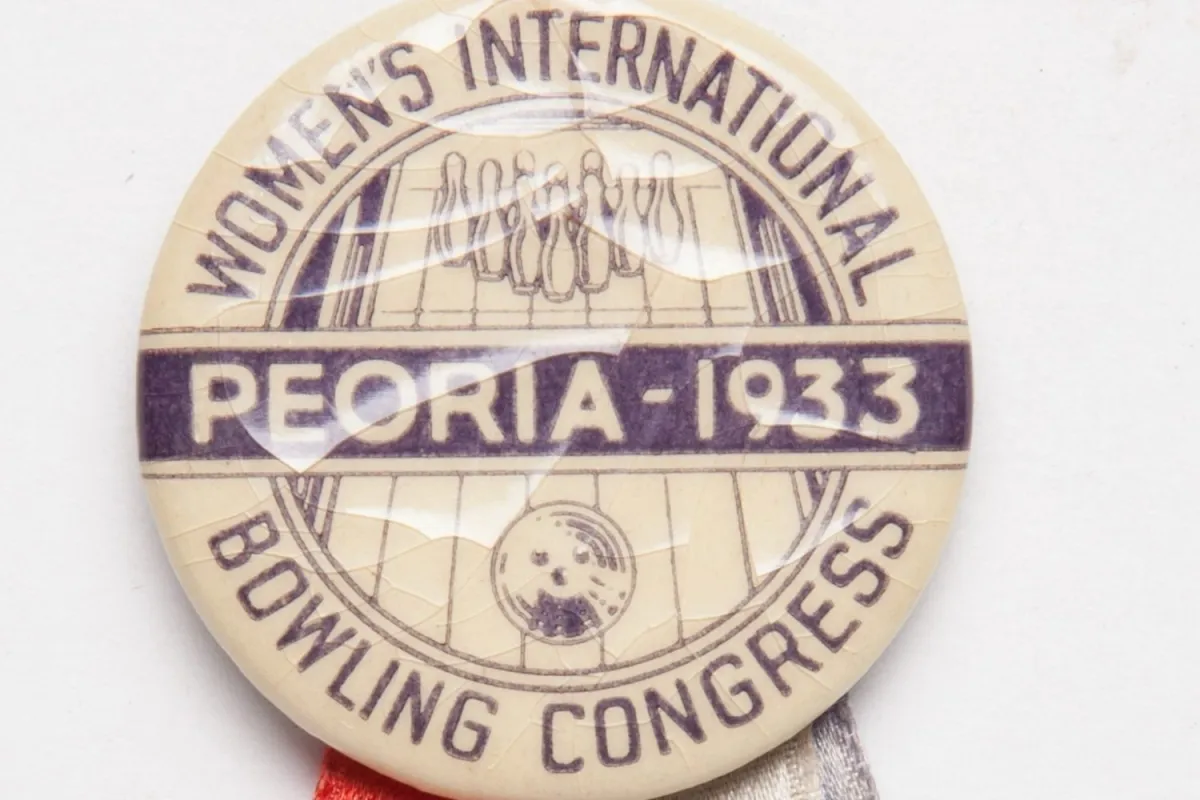 Photo: Women's International Bowling Congress, via www.bowlingheritage.com
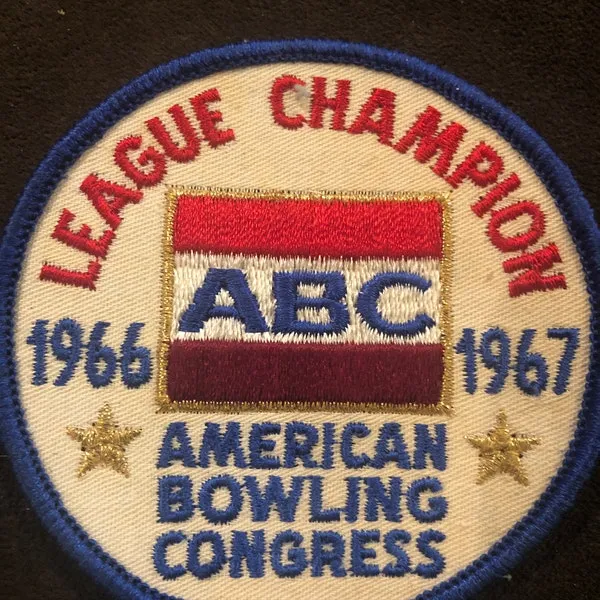 Photo: American Bowling Congress, via i.etsystatic.com
And the reason was simple: it worked for everyone. You didn't need to be athletic in any traditional sense. You didn't need expensive equipment. The handicap system meant that beginners could compete meaningfully against experienced players. A 65-year-old retired schoolteacher and a 28-year-old steelworker could be genuine teammates. That kind of cross-demographic mixing was the whole point.
Keeping Score Was a Social Act
Before the automatic scoring systems that arrived in the 1980s and became standard through the 1990s, bowlers kept their own scores on paper sheets that sat in a holder above each lane. This sounds like a minor logistical detail, but it mattered enormously to the social texture of the experience.
Keeping score required paying attention to every frame, for every player on your team. It required a basic understanding of the game's math — the way a spare in the ninth frame rippled backward through the calculation. It created conversation. It gave people something to argue about, to celebrate, to commiserate over. The scoresheet was a shared document that everyone at the lane had a stake in.
When automatic scoring arrived, it was sold as convenience. And it was convenient. But it also quietly removed one of the small rituals that kept people engaged with each other rather than retreating into their own frames. The scoresheet was one of many invisible threads that held the evening together.
What a $2 Game Bought You
Bowling was cheap. That wasn't incidental — it was central to what made it work as a community institution. A game cost somewhere between $0.50 and $2.00 for most of the mid-20th century, depending on the decade and the market. Shoe rental was minimal. A beer at the counter was affordable. A family of four could spend an entire evening at the bowling alley without it registering as a financial event.
This matters because it meant bowling wasn't aspirational. It wasn't a treat or a special occasion. It was Tuesday. Or Wednesday. Or Thursday night with the guys from work. The regularity of it was the point — the same faces, the same lanes, the same counter person who knew how you liked your coffee. The bowling alley was where you maintained relationships without anyone having to plan a dinner party or coordinate calendars.
That kind of low-stakes, recurring social infrastructure is almost entirely absent from American life today. The options that have replaced it — restaurants, bars, entertainment venues — are either too expensive for weekly use or too loud and chaotic for actual conversation.
The Cosmic Bowling Pivot
The decline of bowling league culture through the 1980s and 1990s has been analyzed extensively — Robert Putnam famously used it as a central metaphor in his 2000 book Bowling Alone, arguing that Americans were increasingly disconnected from the civic institutions that once built social capital. The numbers were stark: league bowling dropped by more than 40 percent between 1980 and 1993, even as the total number of people who bowled occasionally actually increased.
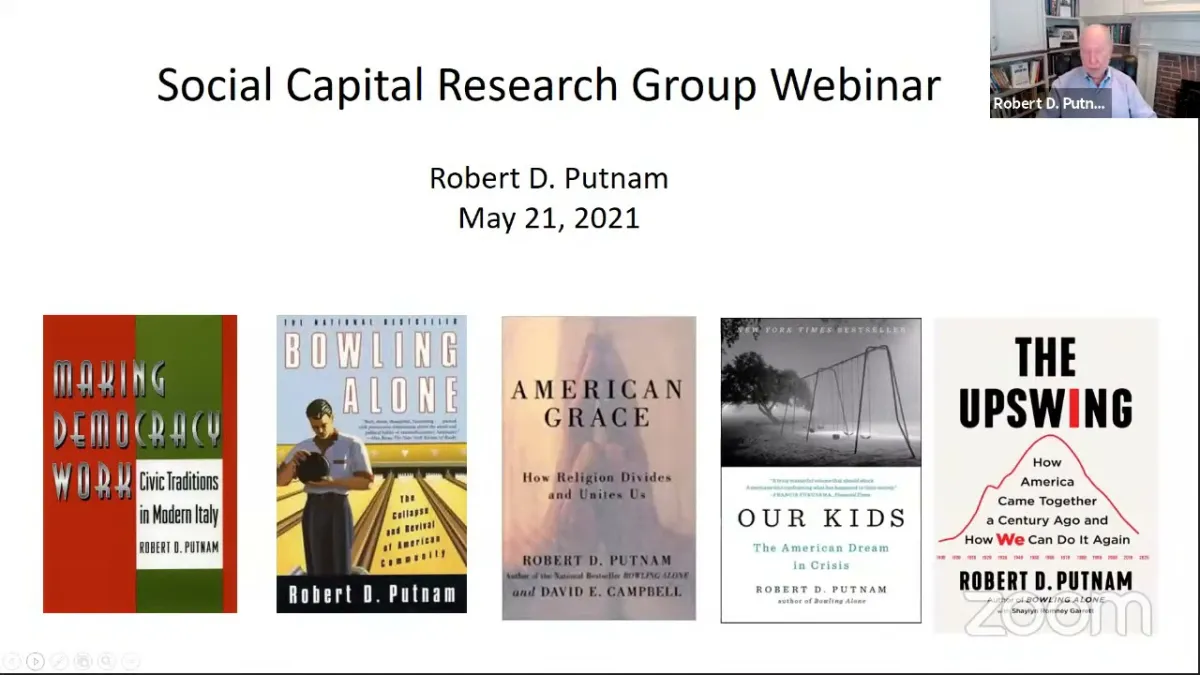 Photo: Robert Putnam, via i.ytimg.com
People were bowling more, but joining less. The community function was separating from the recreational one.
Bowling alley owners, facing declining league revenues, responded by chasing the entertainment dollar. Cosmic bowling — black lights, fog machines, dance music, cocktail service — became the dominant model for keeping the lights on. The experience was repackaged as a night out rather than a community gathering. Some venues added arcade games, laser tag, and full-service restaurants. The bowling itself became almost secondary to the atmosphere being sold around it.
This wasn't wrong as a business decision. But it completed the transformation of the bowling alley from a neighborhood institution into a commercial entertainment venue — a fundamentally different thing, even if the lanes look the same.
The Thing That Can't Be Rebuilt on an App
What the league bowling era represented was something that's genuinely hard to manufacture: a recurring, affordable, structured reason for people from different walks of life to spend time together in the same room, week after week, for years. No agenda. No networking. No content to create. Just showing up, competing in a low-stakes way, and being part of something slightly larger than yourself.
The bowling alley didn't try to be a community center. It just accidentally was one, because the conditions were right — cheap enough, regular enough, and simple enough that almost anyone could participate.
Those conditions don't really exist anywhere in modern American life. And the neon glow of cosmic bowling, for all its fun, doesn't quite fill the space that the Wednesday night league left behind.