Six Channels of Static and One Perfect Morning: What Kids Lost When Cartoons Became Available All the Time

Sometime around 6:45 on a Saturday morning in 1978, a kid in Ohio would slide out of bed before anyone else in the house was awake. Socks on the hardwood floor. Down the stairs. Careful not to wake the dog. The television set needed a minute to warm up — a faint hiss of static before the picture resolved — and then, if the rabbit ears were angled just right, the morning could begin.
This was the ritual. Millions of American children performed some version of it every single week.
Three Networks and a Nation of Kids Watching the Same Thing
In the era before cable took hold — roughly from the late 1960s through the mid-1980s — American children had access to exactly three broadcast networks: ABC, NBC, and CBS. On weekday mornings, those channels showed news and local programming. On weekday afternoons, soap operas. But Saturday morning? Saturday morning belonged entirely to kids.
Each network programmed a dense block of animated programming that ran from roughly 7 a.m. to noon. The Bugs Bunny/Road Runner Hour. Super Friends. Scooby-Doo. The Smurfs. Schoolhouse Rock squeezed in between shows with its cheerful educational jingles about conjunctions and how a bill becomes a law. The lineup changed each fall with the kind of fanfare that networks now reserve for prime-time drama premieres — there were actual television commercials advertising the new Saturday morning season to children who treated it like the most important news of the year.
You watched what was on. That was the deal. If you missed the beginning of something, you'd missed it. There was no rewinding, no pausing, no watching it later on your phone. The television schedule was a contract between the networks and the audience, and the audience had no leverage whatsoever.
And somehow, that made it better.
The Economics of Anticipation
There's a concept in behavioral psychology around the relationship between scarcity and perceived value. When something is rare or hard to obtain, we assign it more meaning. Saturday morning cartoons were a perfect, unintentional experiment in this principle.
Because children only had one appointed window of entertainment each week, that window carried enormous psychological weight. Kids talked about shows on the playground during the week. They had opinions about which network's Saturday lineup was superior. They negotiated with siblings over which channel to watch when two shows overlapped. They stayed up Friday night just a little later because they were genuinely excited about what the next morning held.
The anticipation was part of the experience. The waiting was part of the fun.
And then there was the communal dimension. Because every kid in every town was watching the same three channels, Saturday morning cartoons became a shared cultural language. You could walk into school on Monday and reference something from the weekend and virtually every kid in your class would know exactly what you were talking about. Shared experience at that scale is increasingly rare now, even among adults. For children in the 1970s, it was simply how pop culture worked.
When Everything Became Available, Nothing Was Special
Cable television began fragmenting the Saturday morning ritual in the mid-1980s. Nickelodeon, Cartoon Network, and Disney Channel started offering cartoons not just on Saturday mornings but all day, every day, on dedicated channels built entirely around children's programming. The appointment viewing model began to crack.
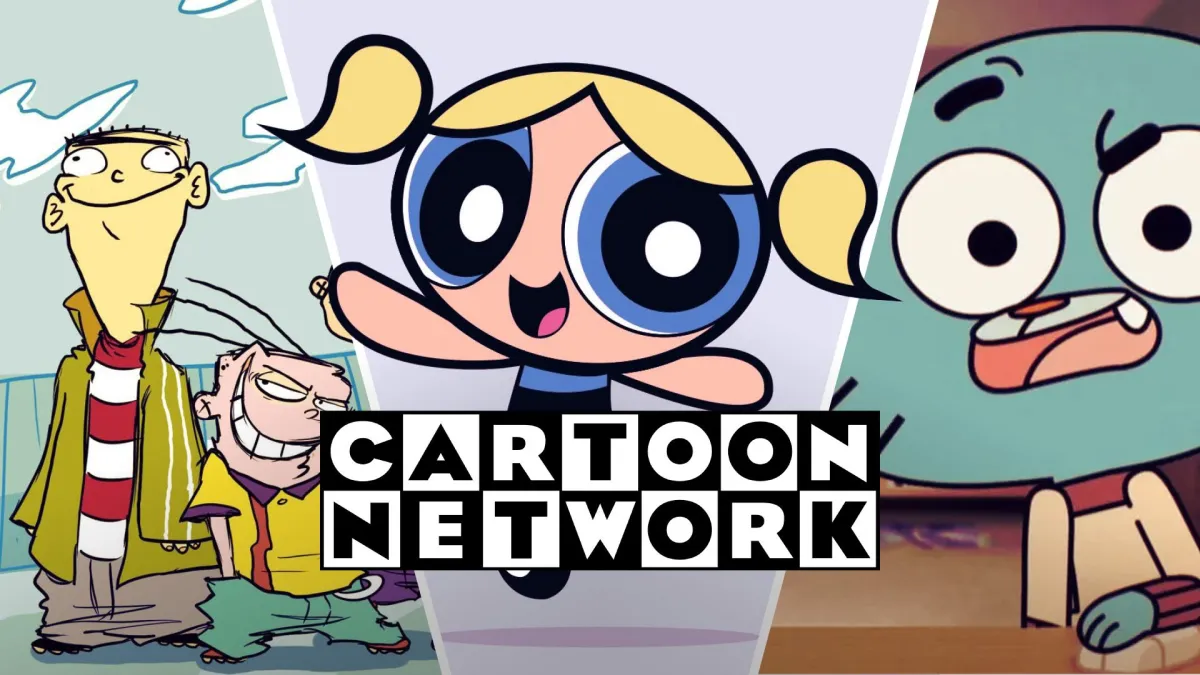 Photo: Cartoon Network, via static1.moviewebimages.com
Streaming finished the job. A child today has access to thousands of hours of animated content at any moment on any device. Netflix, Disney+, YouTube, and a dozen other platforms compete for attention with an endless library that never closes. There is no Saturday morning because every morning is Saturday morning. There is no waiting because there is nothing to wait for.
This is objectively convenient. It's also, in a quiet way, a genuine loss.
Children today will never experience the specific anticipation of a weekly entertainment appointment. They'll never know the mild heartbreak of sleeping through the first half of a show they'd been looking forward to all week, or the satisfaction of being awake and ready before anyone else in the house. They'll never argue with a sibling about which channel to lock in at 8 a.m. because the abundance of options makes the argument pointless.
The Cereal Was Part of It Too
It would be incomplete to talk about Saturday morning cartoons without mentioning what every kid was eating while they watched. The cereal aisle in the 1970s was essentially a Saturday morning delivery mechanism. Cap'n Crunch, Cocoa Puffs, Franken Berry, Count Chocula — these were not everyday breakfast foods in most households. They were Saturday foods. Weekend treats that came in boxes decorated by cartoon characters who also appeared in the commercials that ran between the shows.
The whole experience was a complete sensory package. The specific light of an early Saturday morning. The low volume of the television so you didn't wake your parents. The crunch of cereal in a quiet house. For millions of Americans who grew up in this era, those sensations are permanently linked to a feeling of freedom and possibility that's genuinely hard to describe to someone who didn't live it.
Something Worth Remembering
Nobody is seriously arguing that children were better off with fewer entertainment options. More choice is more choice. But there's something worth sitting with in the recognition that scarcity created rituals, and rituals created shared experience, and shared experience created community — even among children who were technically just sitting alone in front of a television set.
Saturday morning cartoons worked partly because they were limited. They mattered because you had to show up for them. In a media landscape where nothing requires your presence at a specific time, the concept of showing up for entertainment has nearly vanished entirely.
Somewhere out there, a kid in Ohio is watching a perfectly curated algorithmic playlist of content on a tablet at 10:30 on a Tuesday night. The picture quality is extraordinary. There's no static, no rabbit ears, no waiting.
And it's fine. It's just not the same.