Dial-Spinning in the Dark: When Finding Your New Favorite Song Required Luck, Patience, and a Finger on the Record Button
The Midnight Hunt for Magic
At 11:47 PM on a school night in 1984, fifteen-year-old Mike Rodriguez lay in his twin bed, transistor radio pressed against his ear, slowly turning the dial through static and distant signals. He was hunting for something—anything—that would make his heart skip. The local station had gone to sleep with easy listening. AM picked up a blues station from Chicago, crackling through atmospheric interference. Then, cutting through the static like lightning, came the opening guitar riff of a song he'd never heard but instantly needed to own.
His finger slammed the record button on his boom box. Too late. He'd missed the first thirty seconds.
Today, that same teenager would simply ask Siri to identify the song, then add it to seventeen different playlists before the guitar solo ended. The magic of discovery has been replaced by the efficiency of algorithms, and something irreplaceable has been lost in the translation.
When Radio Was Your Personal DJ
Before Spotify's Discover Weekly and Apple Music's personalized stations, there was Casey Kasem counting down America's Top 40, and more importantly, there were local DJs who became the soundtrack curators for entire cities. These weren't algorithms—they were humans with names, personalities, and the power to change your musical universe with a single spin.
 Photo: Casey Kasem, via static01.nyt.com
DJ Maria Gonzalez at KQED San Francisco didn't just play music; she told stories, shared personal anecdotes, and created emotional contexts for the songs she selected. When she played something new, it felt like a personal recommendation from a friend who understood your soul. Her late-night show "Midnight Confessions" became appointment listening for insomniacs and music lovers across the Bay Area.
 Photo: KQED San Francisco, via img.freepik.com
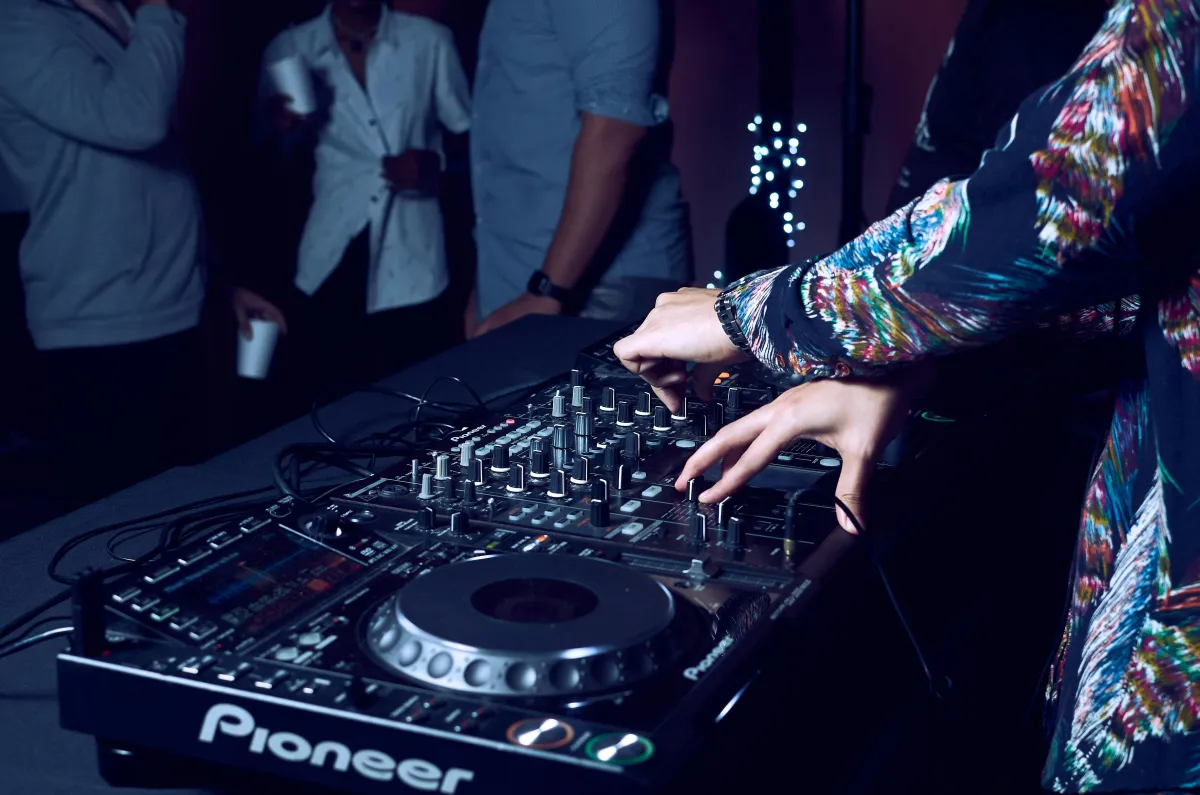 Photo: DJ Maria Gonzalez, via images.pexels.com
The relationship between listener and DJ was intimate and unpredictable. You never knew when your favorite host might drop a deep cut that would become your obsession, or introduce you to an artist who would define your teenage years. The element of surprise was built into the experience.
Modern streaming services have eliminated this human curation. Algorithms analyze your listening history, cross-reference it with millions of other users, and serve up suggestions with mathematical precision. The recommendations are often accurate, but they lack the emotional intelligence and inspired randomness that made radio discovery feel like destiny.
The Art of the Perfectly Timed Recording
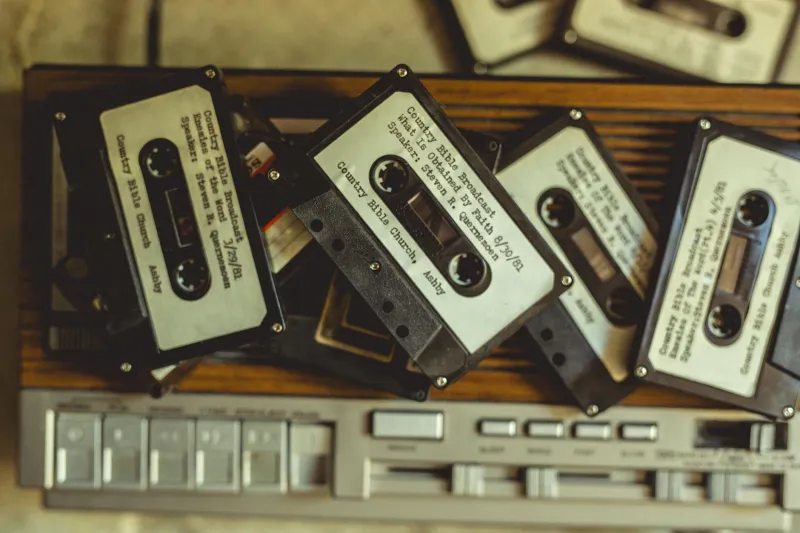
In the pre-digital era, capturing music required strategy, patience, and split-second timing. Armed with blank cassette tapes and reflexes honed by months of practice, teenagers became recording ninjas, poised to hit the record button the instant their favorite song began.
The process was fraught with peril. Start recording too early, and you'd capture the DJ's voice-over. Wait too long, and you'd miss the opening notes. Radio stations seemed to take perverse pleasure in talking over song introductions, forcing listeners to weigh their options: accept a recording with chatter, or gamble that the song would play again soon.
Successful recordings were treasured like rare artifacts. A clean capture of "Sweet Child O' Mine" without DJ interference was worth trading three lesser recordings. Mix tapes became personal museums, carefully curated collections that represented hours of patient listening and perfect timing.
Today's music consumption requires no such investment. Every song ever recorded is available instantly, in perfect quality, without commercials or DJ chatter. The convenience is undeniable, but it's eliminated the sense of achievement that came with building a personal music collection through effort and dedication.
The Democracy of Discovery
Radio operated as a great musical equalizer. Rich and poor alike turned the same dial, heard the same songs, and participated in shared cultural moments. When "Billie Jean" premiered on the radio, it reached everyone simultaneously—the banker's kid and the factory worker's daughter experienced the same moment of musical revelation.
This shared experience created common ground across social and economic divides. School hallways buzzed with discussions about last night's radio premieres. Water cooler conversations at offices revolved around new songs everyone had discovered together. Music was a collective experience that bound communities together.
Streaming algorithms have shattered this shared discovery process. Instead of one radio station serving an entire city, we now have millions of personalized stations serving audiences of one. Your Discover Weekly playlist is completely different from your neighbor's, creating musical echo chambers that reflect our existing tastes rather than challenging them.
The Sweet Agony of Anticipation
Perhaps the most profound difference between radio discovery and algorithmic recommendations lies in the element of anticipation. In the radio era, wanting to hear a specific song meant waiting—sometimes for hours—for it to play again. This scarcity created intense emotional connections to music.
The phrase "Oh, this is my song!" carried real weight because hearing "your song" required luck, timing, or dedicated listening. The emotional payoff was proportional to the wait. Songs felt more precious because they couldn't be summoned on demand.
Modern streaming has eliminated musical scarcity entirely. Every song is available instantly, which paradoxically makes individual songs feel less special. The abundance that was supposed to enhance our musical experience has instead diminished the emotional impact of any single track.
The Mixtape as Love Language
The constraints of radio-era music discovery gave birth to the mixtape—perhaps the most personal form of musical communication ever created. Making a mixtape for someone required deep knowledge of their tastes, careful attention to song transitions, and the investment of hours of listening and recording time.
Receiving a mixtape was receiving someone's curated emotional landscape. Each song was chosen for a reason, positioned with intention, and recorded with care. The physical object itself—decorated cassette case, handwritten track listings, personal notes—became a artifact of affection.
Playlists have replaced mixtapes, but they lack the same emotional weight. Creating a Spotify playlist takes minutes and requires no physical investment. Sharing it is effortless. The ease of creation has diminished the perceived value of the gesture.
The Lost Art of Musical Patience
Radio taught listeners to appreciate music in real-time, without the ability to skip, replay, or fast-forward. This forced engagement with entire songs, including parts that might not immediately appeal. Many classic songs have slow builds or unexpected sections that only reveal their brilliance through patient listening.
The skip button has fundamentally altered how we experience music. Songs now compete for attention in the first thirty seconds. Artists structure their compositions differently, front-loading hooks to survive the algorithmic attention economy. The contemplative, slow-building songs that radio patience once rewarded have become commercially unviable.
What Algorithms Can't Capture
Modern music recommendation systems excel at finding songs that sound similar to what you already like, but they struggle with the kind of left-field discoveries that defined radio's magic. An algorithm would never pair a punk song with a jazz standard, but a late-night DJ might create an emotional bridge between seemingly incompatible genres that opens your mind to new possibilities.
The human element in music curation—the DJ's mood, personal experiences, cultural knowledge, and intuitive understanding of how songs speak to each other—remains irreplaceable. Algorithms can process data, but they can't replicate the inspired randomness that comes from human creativity and emotional intelligence.
Rediscovering Discovery
The evolution from radio discovery to algorithmic recommendation represents a broader cultural shift from serendipity to optimization. We've gained access to virtually all recorded music, but we've lost the thrill of the unexpected find and the patient joy of musical anticipation.
Understanding this trade-off doesn't require nostalgia for inferior technology, but it might inspire us to occasionally turn off the algorithm and rediscover the pleasure of not knowing what comes next. Sometimes the best discoveries happen when we stop optimizing and start wandering.