The Gold Watch Wasn't a Metaphor: When American Work Had a Finish Line You Could Actually See
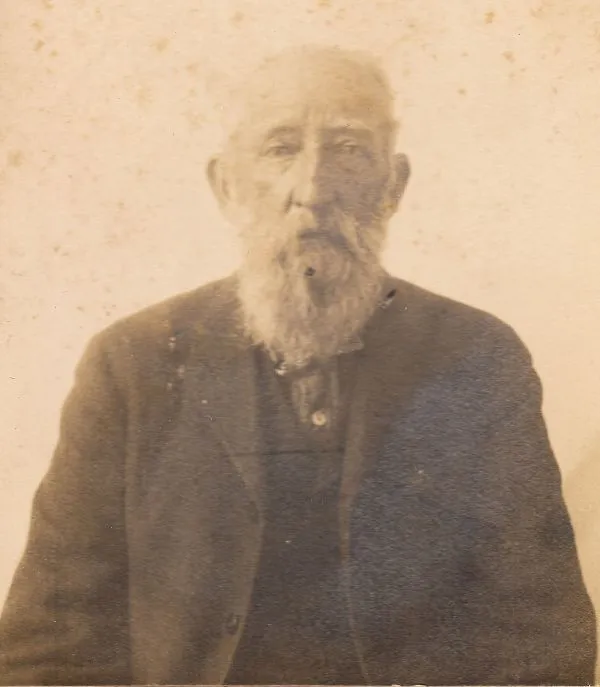
Photo: Unknown authorUnknown author, Public domain, via Wikimedia Commons
Somewhere in a drawer in millions of American homes sits a modest gold-tone watch, probably engraved on the back: a name, a company, a number of years. Twenty-five. Thirty. Forty.
That watch used to mean something very specific. It meant you were done. Not "transitioning to consulting." Not "exploring your next chapter." Done. You had worked for one company — often the same plant, the same office, the same lunchroom — for most of your adult life, and the company was now going to send you a check every month until you died. That was the pension. That was the deal.
How the Finish Line Got Built
Retirement as a universal American experience is surprisingly young. For most of history, people worked until they couldn't. But in the decades after World War II, three things came together at once.
First, private pensions exploded. Companies, competing for loyal workers in a booming economy, promised lifetime income in exchange for decades of service. Second, Social Security matured into a genuine floor under old age. Third — and this one gets forgotten — housing was affordable enough that a single working salary could genuinely pay off a house. By 65, a couple might own their home outright, collect a pension and Social Security, and have no debt worth naming.
The math worked. A machinist in Detroit or an accountant in Cleveland could stop at 65 and reasonably expect fifteen or twenty years of gardening, grandchildren, and Florida.
Where the Finish Line Went
Then, piece by piece, the deal unraveled. The 401(k), born as a tax loophole in 1978, became the replacement — shifting all the risk from the company to the worker. Defined-benefit pensions collapsed from covering most of the private workforce to a small fraction of it. Housing costs soared, so the paid-off house at 65 became a rarity rather than an expectation. Wages stagnated relative to living costs, so the savings didn't accumulate the way they once did.
The result is a strange inversion. Many Americans today will work into their 70s — not out of passion, but arithmetic. Meanwhile, a 65-year-old today is healthier than a 65-year-old in 1965, which sounds like a win until you notice it's also the excuse: you can work longer, so you must.
What We Traded
Here's the honest case for the change: pensions were never guaranteed. Companies failed, benefits were cut, and workers who gave 30 years sometimes watched the promise evaporate. A portable 401(k) means today's worker isn't chained to one employer out of fear.
But the old system offered something the new one doesn't: a visible finish line. A moment when society said, formally, in front of your coworkers, with cake in the break room — you did it. You're done. Rest now.
Today's retirement is less a finish line than a fog — a number in an account you're never sure is enough, a date you keep pushing back. The average worker doesn't know when they can stop because the answer depends on market returns they can't control.
Learning to See the Line Again
Maybe the lesson isn't to resurrect the pension. It's to notice what it represented: a culture that believed work had a purpose beyond itself, and that the last third of life belonged to the person living it.
The gold watch was never really about the watch. It was about the ending being real. And if we want that back — for ourselves, for our kids — we'll have to decide, individually and collectively, that a finish line is worth drawing on purpose. Because no one hands you one anymore.