Grandma's Grease-Stained Recipe Card vs. Your Phone's 50,000 Saved Recipes: How America Forgot to Actually Cook
The Sacred Recipe Box
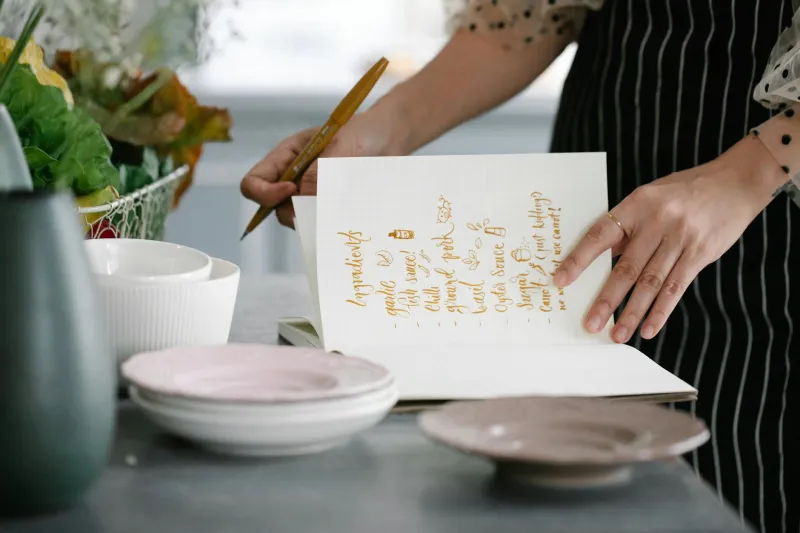
In your grandmother's kitchen, there sat a wooden box filled with index cards that told the story of her family's entire culinary history. Each card was a artifact: "Aunt Martha's Apple Pie" written in fading blue ink, "Mom's Sunday Gravy" with grease stains that marked decades of use, "Christmas Cookies - DO NOT LOSE!" underlined three times in red pen.
These weren't just recipes. They were inheritance documents, passed down through generations of women who learned to cook by standing next to their mothers at the stove, watching, listening, and gradually taking over responsibilities until they could recreate family flavors from memory.
The handwriting told stories. Grandma's careful script for the cake recipe she brought from her childhood home. Mom's hurried scrawl adding "use less salt" to a dish that needed adjustment. Your own teenage handwriting copying down the secret to perfect biscuits before leaving for college.
When Cooking Was Apprenticeship, Not Entertainment
Learning to cook meant years of kitchen apprenticeship. You started by stirring pots and setting timers. Graduated to chopping vegetables and measuring ingredients. Eventually earned the right to handle the main course while your mentor watched nervously from the sidelines.
This wasn't cooking as hobby or creative expression – it was survival skill and family responsibility. Every meal was practice. Every holiday was a test. Every family gathering reinforced the knowledge that would eventually become your own.
Mistakes had consequences. Burn the dinner and the family went hungry. Oversalt the soup and you wasted money the household couldn't afford to lose. These stakes made you pay attention in ways that watching cooking videos never could.
The Recipe Card Economy
Sharing recipes was a form of social currency. When your neighbor gave you her chocolate chip cookie recipe, she was extending trust and friendship. When you asked for someone's secret ingredient, you were asking to be let into their family circle.
Recipe exchanges happened at church socials, over backyard fences, and during coffee visits. The best recipes were guarded secrets, shared only with daughters and daughters-in-law who had proven themselves worthy. Getting invited to help with holiday cooking meant acceptance into the family's inner circle.
Cookbooks existed, but they were supplements to family knowledge, not replacements for it. The real cooking wisdom lived in those handwritten modifications: "Bake 10 minutes longer," "Add extra vanilla," "Double the chocolate chips – trust me."
Today's Recipe Paradox
Open your phone right now and count the recipes you've saved. If you're like most Americans, you have hundreds, maybe thousands, of recipes bookmarked across Pinterest, Instagram, food blogs, and recipe apps. You could cook a different meal every day for years without repeating a single dish.
Yet recent surveys show that nearly 40% of Americans under 35 cannot prepare a basic meal from scratch without following step-by-step instructions. They can't make scrambled eggs without googling the technique. They don't know how to tell when chicken is fully cooked. They've never made bread, never roasted a whole chicken, never prepared a meal without opening at least one package of pre-prepared ingredients.
The YouTube University of Cooking
Today's cooking education happens through screens. YouTube chefs with perfect kitchens and professional lighting teach techniques to millions of viewers who will never attempt the recipes they're watching. Instagram food accounts rack up followers by posting beautiful photos of dishes that most people scroll past while eating takeout.
The knowledge transfer is completely different. Instead of learning through repetition and muscle memory, we learn through entertainment. Instead of mastering a small repertoire of family dishes, we're exposed to infinite variety that we never actually practice.
Cooking has become content consumption rather than skill development. We watch more cooking shows than ever before while actually cooking less than any generation in American history.
The Meal Kit Generation
Enter the meal kit subscription services that promise to teach cooking while eliminating the need to learn it. Blue Apron, HelloFresh, and dozens of competitors deliver pre-measured ingredients and laminated instruction cards that guide customers through recipes they'll likely never make again.
These services solve the immediate problem – what to make for dinner – while creating a deeper dependency. Users learn to follow instructions but never develop the intuitive understanding that comes from years of practice. They can execute a specific recipe but can't improvise when ingredients are missing or adapt flavors to their family's preferences.
What Was Lost in Translation
The difference between grandma's recipe box and your saved Instagram recipes isn't just about technology – it's about relationship to food and family. Those grease-stained cards represented meals shared, traditions maintained, and knowledge earned through years of practice.
Modern recipe collections are aspirational rather than practical. We save recipes that represent the person we imagine we might become – the one who makes homemade pasta on weeknights and bakes artisanal bread on weekends. But most of these recipes remain forever digital, never translated into actual meals.
The social aspect has disappeared entirely. Cooking knowledge once connected generations and communities. Now it's an individual pursuit, learned from strangers on the internet rather than family members in the kitchen.
The Confidence Crisis
Perhaps most significantly, we've lost cooking confidence. Grandma didn't need a recipe to make dinner – she had internalized the principles through years of practice. She could look in the refrigerator and create a meal from whatever was available. She understood how flavors worked together and could adjust seasoning by taste.
Today's home cooks panic without exact measurements and step-by-step instructions. They don't trust their own judgment about doneness, seasoning, or timing. The abundance of information has created paralysis rather than confidence.
The Economics of Kitchen Knowledge
The financial implications are staggering. Americans now spend more money on restaurant meals and prepared foods than on groceries for home cooking. The average family spends over $3,500 annually on dining out, compared to about $1,200 in the 1970s (adjusted for inflation).
But the real cost isn't just financial – it's cultural. When families stop cooking together, they lose shared rituals, conversation time, and the satisfaction of creating something with their hands. Children grow up without learning basic life skills that previous generations took for granted.
The Recipe Card Renaissance
Interestingly, there's a growing movement among younger Americans to reclaim traditional cooking knowledge. Farmers markets are packed with millennials seeking fresh ingredients. Bread baking experienced a massive resurgence during the pandemic. Cooking classes fill up with students eager to learn knife skills and basic techniques.
Some families are deliberately returning to recipe card traditions, writing down family favorites by hand and teaching cooking through mentorship rather than YouTube videos.
From Inheritance to Information
The transformation from recipe cards to recipe apps represents a broader shift in how Americans relate to knowledge and tradition. We've gained access to infinite culinary possibilities while losing the deep, practical wisdom that made our grandmothers confident in any kitchen.
Those grease-stained index cards weren't just cooking instructions – they were family history, cultural preservation, and practical education all rolled into one. They represented a time when knowledge was earned through practice, shared through relationships, and valued for its utility rather than its entertainment value.
Today's digital recipe collections offer convenience and variety, but they can't replicate the confidence that comes from years of kitchen apprenticeship or the satisfaction of mastering your family's signature dishes. We've traded cooking wisdom for cooking content – and most of us don't even realize what we've lost.