When Every American Town Had Its Own Information Headquarters: The Library Card That Ruled Before Google
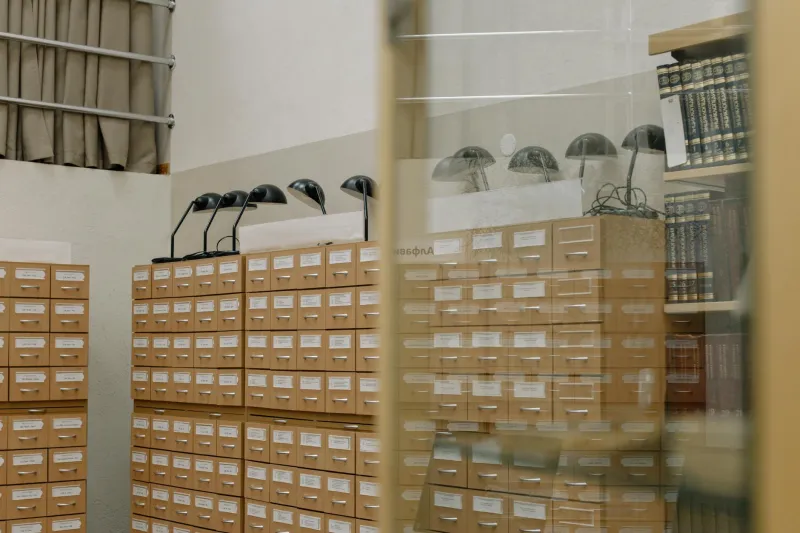
The Cathedral of Knowledge on Main Street
Every American town used to have a building where democracy lived and breathed. It wasn't city hall or the courthouse—it was the public library, and it commanded a reverence that today's generation would find almost mystical.
Walk into any public library in 1975, and you'd find something that no longer exists: a bustling center of American life. The reference desk buzzed with activity as librarians fielded everything from homework questions to job searches. The card catalogs clicked constantly as patrons hunted through thousands of wooden drawers. Reading rooms filled with students, retirees, and working parents who treated the library like their personal university.
Your library card wasn't just access to books—it was your passport to everything you couldn't afford to own.
When Information Had Gatekeepers Who Actually Helped
Before Google made every American their own research assistant, librarians served as the nation's information specialists. These weren't just book-stampers; they were trained professionals who could track down obscure facts, locate out-of-print materials through interlibrary loans, and guide you through research processes that might take weeks to complete.
Need to research your family genealogy? The librarian knew which microfilm reels contained local newspaper archives. Looking for a job? She'd show you the bulletin board with local listings and help you type your resume on the library's typewriter. Planning a vacation? The travel section contained guidebooks you'd study for hours, taking careful notes since you couldn't Google "best restaurants in Denver" from your phone.
The ritual of seeking information required patience, planning, and human interaction. You couldn't just fire off a quick question into the digital void—you had to ask a real person, explain what you needed, and often wait for answers that required actual detective work.
The Great Equalizer That Worked
Public libraries represented something beautiful about mid-twentieth century America: genuine equality of access. Whether you lived in a mansion or a trailer park, your library card opened the same doors. The millionaire's daughter and the factory worker's son sat at the same reading tables, used the same encyclopedias, and received the same helpful guidance from librarians who knew their names.
This mattered enormously in an era when information cost money. A set of Encyclopedia Britannica ran $1,500—roughly $8,000 in today's money. Magazine subscriptions, reference books, and newspapers represented significant household expenses. For working-class families, the library provided access to knowledge that would otherwise remain completely out of reach.
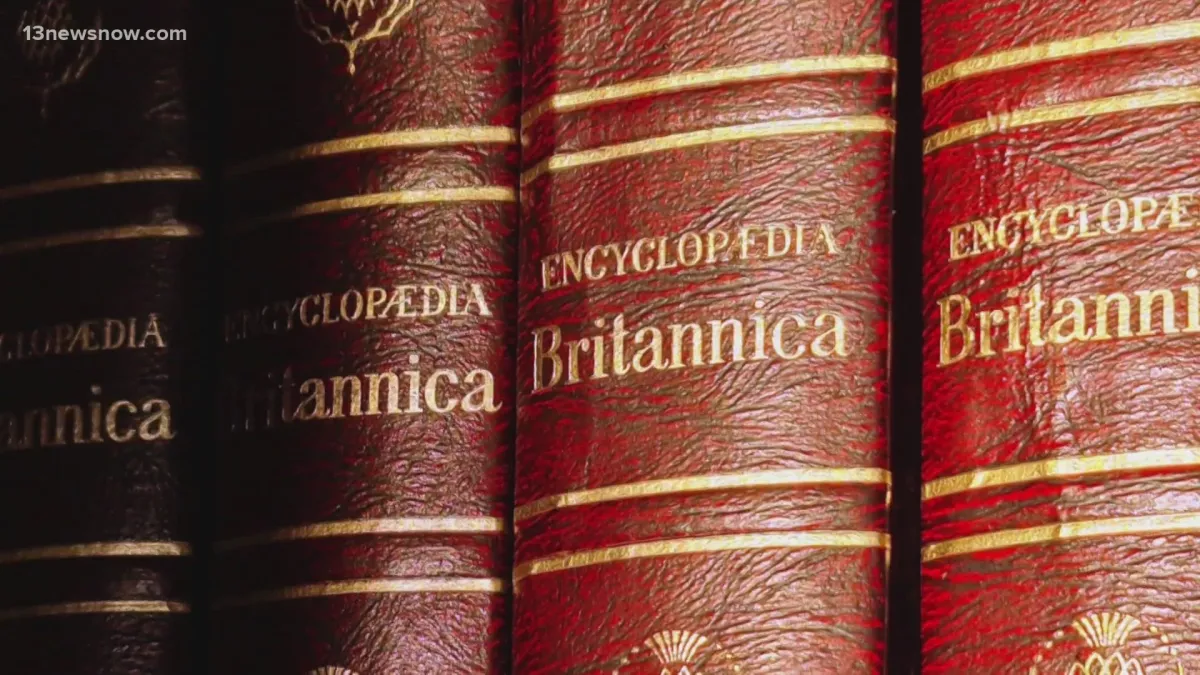 Photo: Encyclopedia Britannica, via media.13newsnow.com
Children grew up understanding that learning required effort and that knowledge lived in specific places you had to visit. The weekly library trip became a family ritual, with kids carefully selecting their maximum allowed books and parents browsing sections they'd never explore today.
When Silence Was Sacred
Libraries operated under social contracts that seem almost quaint now. Silence wasn't just preferred—it was enforced. Librarians wielded real authority, and getting "shushed" carried genuine social shame. Children learned early that some spaces demanded respect and quiet contemplation.
This created an atmosphere of focused learning that's nearly impossible to replicate today. Without phones, notifications, or digital distractions, library patrons engaged in deep, sustained attention. Reading meant reading, research meant research, and studying meant studying. The library's enforced quiet created cognitive space that many Americans rarely experience anymore.
The Slow Death of a National Institution
Today's public libraries face a crisis that goes far beyond budget cuts. They've lost their central role in American intellectual life, and no amount of programming or modernization seems capable of restoring their former importance.
Library circulation has plummeted as Americans satisfy their information needs instantly through smartphones. The reference desk that once bustled with activity now sits largely empty, with librarians spending more time troubleshooting computer problems than answering research questions. Many libraries have transformed themselves into community centers, offering everything from tax preparation to maker spaces, but these efforts feel like desperate attempts to justify their existence rather than natural extensions of their mission.
The interlibrary loan system that once connected every American library into a vast knowledge network now seems almost absurdly slow in an age of instant downloads. Why wait three weeks for a book when you can buy the Kindle version in thirty seconds?
What We Lost When Information Became Instant
The decline of library culture represents more than just technological progress—it marks the end of shared intellectual spaces where Americans encountered ideas they weren't specifically seeking. Libraries forced serendipitous discovery. You'd go looking for one book and stumble across three others that changed your perspective. The physical act of browsing shelves created connections that algorithmic recommendations can't replicate.
We also lost the democratic ritual of learning alongside our neighbors. Libraries were places where different generations, social classes, and backgrounds gathered around the common pursuit of knowledge. That mixing rarely happens anymore in our increasingly segregated information bubbles.
Perhaps most importantly, we lost the understanding that some knowledge is worth waiting for, that research requires patience, and that learning often benefits from expert guidance. The instant gratification of Google searches has trained us to expect immediate answers, but it's also made us less capable of sustained intellectual effort.
The library card that once represented every American's equal claim to knowledge has become a relic of an era when we believed that democracy required shared institutions, patient learning, and the radical idea that information should belong to everyone—not just those who could afford to own it.