The Milkman's Route Ran Deeper Than Dairy: How America Traded Doorstep Relationships for Algorithm-Driven Convenience

The 5 AM Social Worker
Every morning at dawn, Frank Sullivan loaded his white truck with glass bottles of milk, cream, and eggs, then drove the same route through Riverside Heights that his father had driven before him. But Frank wasn't just delivering dairy products — he was conducting the neighborhood's daily wellness check.
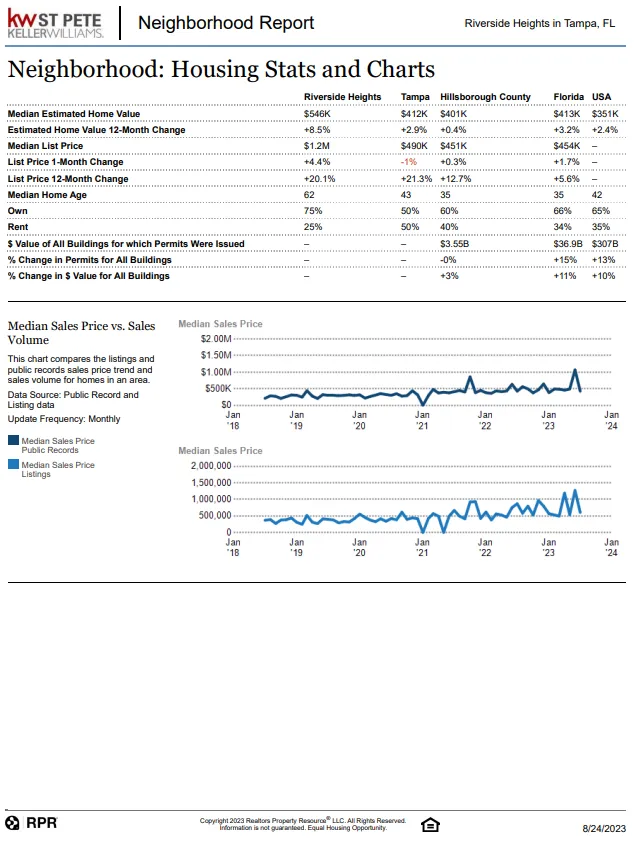 Photo: Riverside Heights, via cdn.ashlarre.com
An extra quart of milk meant guests were coming. No bottles left out for three days meant someone might be in the hospital. A note asking for credit meant money was tight, and Frank would quietly extend terms that no corporate algorithm would ever approve.
This was home delivery in 1955: personal, predictable, and woven into the fabric of community life. The milkman didn't just know your address — he knew your family's rhythms, habits, and needs.
The Original Subscription Economy
Long before anyone coined the term "subscription service," American families had standing orders with local vendors who delivered to their doors. The milkman came Monday, Wednesday, and Friday. The bread man arrived Tuesday and Saturday. The ice man showed up when the card in your window requested it.
These weren't convenience services for busy professionals — they were essential infrastructure for families without cars, working mothers, and neighborhoods where the nearest grocery store might be miles away. Home delivery wasn't a luxury; it was how families fed themselves.
The system ran on trust and routine. You left empty bottles on the porch with notes specifying next week's order. Payment might be cash in the milk box, a running tab settled monthly, or even bartered goods during tough times. No credit checks, no minimum orders, no surge pricing during bad weather.
The Neighborhood Intelligence Network
Millmen, bread vendors, and ice delivery drivers formed an informal information network that would make modern data analytics jealous. They knew which houses had new babies (extra milk), which families were struggling (requests for day-old bread), and which neighborhoods were changing (shifting delivery patterns).
Frank could tell you that the Johnsons were probably getting divorced (he'd been delivering to two separate apartments for three months), that the Kellys had family visiting (double orders for the past week), and that old Mr. Peterson was feeling better (back to his regular order after weeks of reduced deliveries).
This wasn't gossip — it was community care delivered one bottle at a time. When Mrs. Chen didn't put out her milk bottles for four straight days, Frank knocked on the door and discovered she'd fallen and couldn't get up. He called her son and potentially saved her life.
The Death of Daily Delivery
By the 1960s, several forces were conspiring against home delivery. Suburban sprawl made routes longer and less efficient. More families owned cars, making grocery shopping a weekly expedition rather than a daily necessity. Supermarkets offered lower prices and greater selection than any delivery service could match.
Refrigeration technology improved, allowing families to store perishables longer. The two-car garage became standard, making weekly shopping trips feasible for families who previously relied on daily deliveries.
Most critically, the economics shifted. What seemed like convenience was actually expensive when you calculated the true cost per item. A gallon of milk delivered to your door cost nearly twice what the same milk cost at the A&P.
The Independence Illusion
Driving yourself to the store became a symbol of modern American life. You weren't dependent on delivery schedules, vendor availability, or other people's routes. You could shop when you wanted, compare prices, and buy exactly what you needed.
This independence came with hidden costs that weren't immediately obvious. The time spent driving, parking, shopping, and loading groceries. The need to plan ahead and maintain inventory at home. The loss of daily human contact with people who knew your family's patterns and needs.
But in the prosperity of post-war America, these costs seemed worth paying for the freedom to shop on your own schedule and the status that came with car ownership.
The Supermarket Revolution
Supermarkets didn't just offer lower prices — they offered choice and control that home delivery couldn't match. You could squeeze the tomatoes, compare brands, and discover new products. Shopping became an active experience rather than a passive transaction.
The weekly grocery trip evolved into a family ritual, complete with shopping lists, coupon clipping, and kids begging for treats in the checkout line. What had once been delivered automatically now required planning, transportation, and time — but it felt modern and efficient.
Supermarkets also offered something that home delivery couldn't: the ability to change your mind. See a sale on chicken? Change tonight's dinner plans. Craving ice cream? Add it to the cart. Home delivery required advance planning that didn't accommodate spontaneous decisions.
The Digital Resurrection
Fast-forward to 2024, and home delivery is everywhere again. Instacart brings groceries within hours. Amazon delivers everything from toilet paper to televisions. DoorDash brings restaurant meals to your door faster than you could drive there yourself.
We've come full circle, but with fundamental differences. Modern delivery is powered by algorithms, not relationships. Your DoorDash driver doesn't know your name, your preferences, or your family's needs. They follow GPS directions to an address and leave packages on doorsteps without human contact.
The efficiency is remarkable — you can order groceries while sitting in a meeting and have them delivered before you get home. But the community connection that defined mid-century delivery is completely absent.
Convenience vs. Community
Modern delivery optimizes for speed and convenience. Frank the milkman optimized for relationships and reliability. Today's systems are scalable, efficient, and profitable. Yesterday's systems were personal, predictable, and caring.
The difference shows up in small details. Frank knew to leave extra cream when your mother-in-law was visiting because she liked it in her coffee. Modern delivery systems know your purchase history but not your family dynamics.
Frank would notice if you seemed upset and might ask if everything was okay. Today's delivery drivers are trained to minimize contact time and move on to the next address.
What the Algorithm Misses
Modern delivery systems excel at logistics but fail at humanity. They can optimize routes, predict demand, and manage inventory across millions of customers. They can't tell when someone needs extra care, when a family is struggling, or when a simple conversation might make someone's day.
The data they collect is vast but shallow. They know what you buy, when you buy it, and how much you spend. They don't know why you're buying baby formula at 3 AM or whether you're okay when your usual orders suddenly stop.
Frank's knowledge was narrow but deep. He served maybe 200 families, but he knew them in ways that no algorithm ever will.
The Gig Economy's Hollow Promise
Today's delivery drivers are independent contractors racing between addresses to maximize earnings. They're incentivized to be fast, not friendly. The apps they use prioritize efficiency metrics over customer relationships.
Compare this to Frank's route, which he might work for decades, serving the same families as their children grew up and moved away. He had institutional knowledge about the neighborhood that took years to accumulate and couldn't be transferred to a smartphone app.
Modern delivery offers jobs but not careers, transactions but not relationships, convenience but not community.
The Price of Progress
We've gained incredible convenience through modern delivery technology. You can get almost anything brought to your door within hours, often at prices lower than brick-and-mortar stores can offer. The selection is limitless, the hours are 24/7, and the whole system works without requiring any human interaction.
But we've lost something harder to quantify: the daily human connections that made home delivery a community service rather than just a commercial transaction. We've traded neighborhood knowledge for algorithmic efficiency, personal relationships for digital convenience.
The question isn't whether this trade-off was inevitable — it probably was. The question is whether we recognize what we gave up when we chose speed over relationships, and whether there's any way to get some of that community connection back in our algorithm-driven world.
Frank Sullivan's route ended decades ago, but the human needs he served — for connection, care, and community — remain as strong as ever. We've just forgotten how to build systems that serve those needs alongside our desire for convenience and efficiency.