When $20,000 Bought You a Future: How America's Starter Homes Vanished Into Investment Gold
The Saturday Morning Project That Built Empires
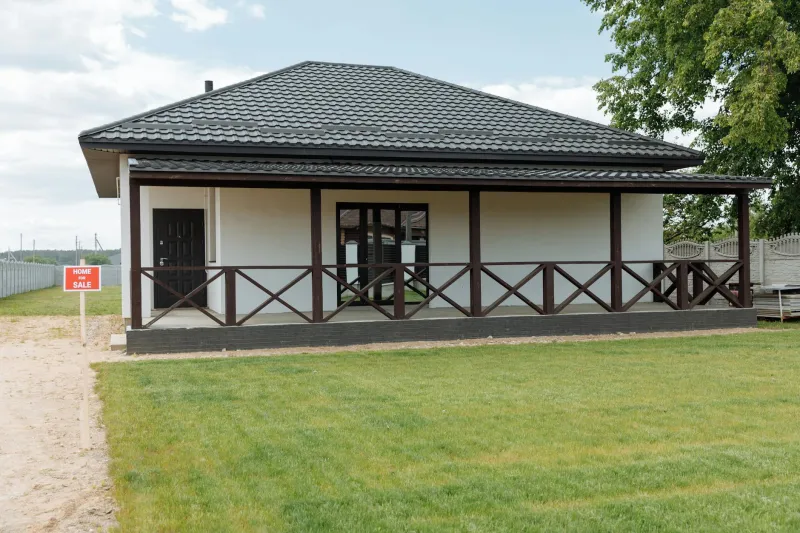
In 1978, Mike and Susan Chen bought their first home in suburban Sacramento for $18,500. It was a 900-square-foot ranch with avocado-green shag carpet, a leaky roof, and a kitchen that hadn't been updated since Eisenhower was president. By today's standards, it was a disaster. By the standards of their generation, it was exactly what they were looking for.
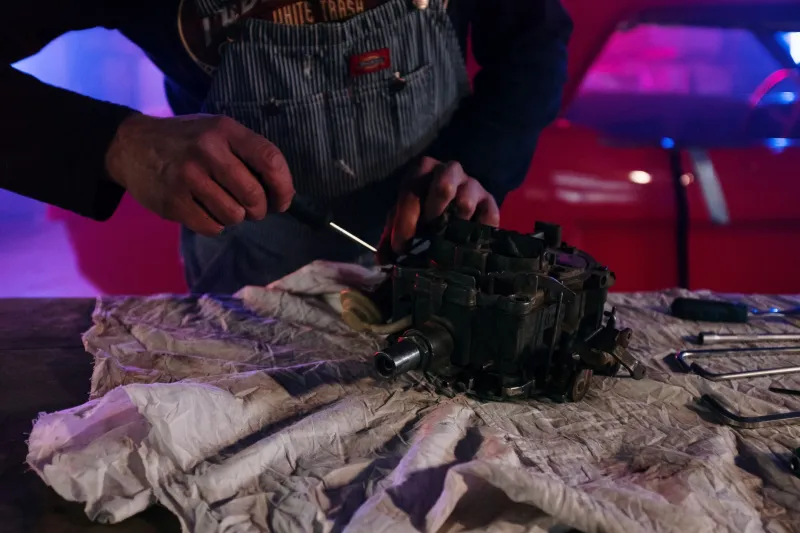
Every weekend for three years, Mike learned plumbing from library books while Susan stripped wallpaper and refinished hardwood floors she discovered underneath linoleum that had been installed sometime during the Carter administration. They weren't house flippers or real estate investors. They were a 23-year-old teacher and a 25-year-old factory supervisor who understood that sweat equity was their pathway to the American Dream.
That same house sold in 2023 for $485,000.
When Fixer-Uppers Fixed Your Financial Future
The concept of the starter home wasn't just real estate marketing—it was economic infrastructure. Throughout the 1970s and 1980s, young Americans could realistically expect to buy a modest home that needed work, improve it through their own labor, and build substantial equity in the process. These weren't glamorous properties. They were solid bones wrapped in outdated aesthetics, priced for people earning ordinary wages.
A typical starter home scenario looked like this: A couple earning a combined $22,000 annually could qualify for an $18,000 mortgage with a 10% down payment they'd saved over two years. Monthly payments ran around $180, leaving room in the budget for materials to gradually transform their investment. The work was hard, but the math was simple.
Compare that to today's reality: The median starter home now costs $280,000, requiring an income of roughly $75,000 to qualify for a mortgage. That same young couple would need to save $56,000 for a down payment while competing against cash investors and house flippers with deep pockets and professional renovation teams.
The Death of Do-It-Yourself Wealth Building
The transformation didn't happen overnight. During the 1990s, home improvement television turned weekend warriors into entertainment, while rising property values made modest homes attractive to professional investors. The 2008 financial crisis temporarily reset prices, but the recovery brought something new: Wall Street money flooding into residential real estate.
Suddenly, that modest ranch house wasn't competing against young families willing to spend their weekends installing new flooring. It was competing against investment firms that could close in cash, flip it professionally, and resell it for twice the original asking price. The starter home became a commodity rather than a community-building tool.
The numbers tell the story. In 1980, the median home cost 2.7 times the median household income. Today, that ratio has stretched to 5.2 times median income. But the real shift isn't just affordability—it's accessibility. The homes that once welcomed inexperienced buyers with more enthusiasm than capital now require expertise and resources that price out the very families they were designed to serve.
What We Lost When We Stopped Building Equity with Elbow Grease
The disappearance of the starter home represents more than a housing crisis—it's the closing of a wealth-building pathway that defined middle-class prosperity for generations. When Mike and Susan Chen bought their fixer-upper, they weren't just purchasing shelter. They were buying an education in home maintenance, neighborhood investment, and long-term financial planning.
That hands-on approach to homeownership created communities of people invested in their neighborhoods' success. When your financial future depended on your property's value, you cared deeply about local schools, crime rates, and municipal services. You knew your neighbors because you'd borrowed their tools and shared renovation tips over the fence.
Today's housing market often treats homes as abstract financial instruments rather than places where families build both equity and community. The young couple who might have spent five years gradually improving a starter home now faces a choice between renting indefinitely or stretching financially for a move-in-ready property that offers little room for value creation through personal investment.
The New Math of American Homeownership
The Chen family's story illustrates what's been lost. Their $18,500 investment, improved through three years of weekend labor, was worth $65,000 when they sold it in 1985. That equity became the down payment for a larger home where they raised two children who could afford their own starter homes in the 1990s.
Their daughter Sarah bought her first home in Phoenix in 1998 for $89,000—a modest townhouse that needed cosmetic work. She sold it in 2005 for $185,000 and used that equity to move up to a single-family home. But Sarah's children, now in their twenties, face a completely different landscape.
The starter homes that built generational wealth for the Chen family now require generational wealth to purchase. What was once a ladder has become a wall, and the American Dream of homeownership increasingly depends more on inheritance than initiative.
The weekend warriors who once transformed modest homes into family foundations haven't disappeared—they've been priced out of the market they helped create. In their place stands a housing economy that values speed and capital over sweat equity and community investment, leaving an entire generation wondering if the path to prosperity their parents walked still exists at all.